
Optimism
This morning, the Wall Street Journal published an op-ed I wrote about why I’m optimistic about the future of criminal justice reform.
You may think my optimism is misplaced given last month’s election results—not to mention that most crimes go unsolved, people of color continue to receive harsher punishments, prisons are fuller than ever before with people suffering from mental illness, and crime victims rarely receive services they need.

Here’s why I’m hopeful:
There is broad consensus that the criminal system is broken and overwhelming, bipartisan, desire for solutions. 80 percent of Americans support expanding the federal First Step Act—which was one of President Trump’s first term accomplishments and even progressives must admit curtailed mandatory-minimum sentences, scaled back the federal Three Strikes law, incentivized rehabilitation, and shortened 45,000 peoples’ sentences. The First Step Act proves we can reduce incarceration and improve public safety at the same time.
That’s exactly what’s happening in California.
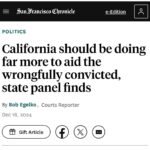
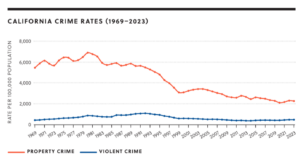
This morning, the Committee on Revision of the Penal Code released our annual Report and Recommendations, which, among other things shows that the state’s prison and jail populations are in steady decline while crime rates remain at historically low levels.
We also outline ten new practical and impactful reforms the legislature should consider in 2025, including changing standards for proving innocence, improving approaches to DUI cases, and increasing prosecutor-led diversion. These recommendations follow months of research and public testimony by expert witnesses from across the country and political spectrum. To date, over twenty of the Committee’s recommendations have been enacted into law, making the Committee one of the most effective legislative reform programs in the country.
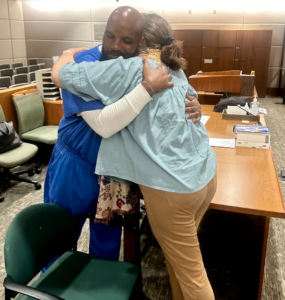
At the same time, our amazing team of students and attorneys who run the Three Strikes Project continue pressing for reform in court. This year, we launched post-conviction impact cases, overturning life sentences in sixteen of our client’s cases—including, just this week, our client Lee was ordered released after serving 30 years of a life term for shoplifting three bottles of liquor from a Ralph’s grocery store in Los Angeles.
Here’s some of what we’re looking forward to in 2025:

Impact Litigation: We currently have over two dozen cases pending in state and federal courts challenging the constitutionality of repeat offender laws, questioning the legality of parole standards, and fighting for implementation of reforms we enacted. Our clients include people serving life sentences for purse snatching, shoplifting, and running from the police. To date, we’ve won over 80 percent of the cases we’ve brought.
Policy Development: The Penal Code Committee report released today recommends new legislation for 2025 and includes new crime data and original empirical research. In the coming year, the Committee will begin investigating new areas in need of reform, including extreme sentences for women, impediments to implementing the Racial Justice Act, and the efficacy of community supervision.
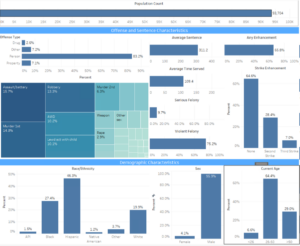
Research: We are excited to release a new criminal justice data dashboard providing information on who is in prison, for which crimes, for how long, from where, and many more details. The dashboard is built on a data-sharing authorization enacted by the legislature. We’re currently beta-testing the dashboard and expect to publish it live for free in early 2025.

Pro Bono & Stakeholder Partnerships: We are thrilled to continue our partnership and collaboration with the law firm White & Case to bring first-class representation to people serving unnecessary punishments and further implement laws we’ve enacted in California. We also continue our partnerships with public defenders, courts, and some prosecutor offices to provide data, training, and other assistance for newly enacted laws.
Finally, we could not do any of this work without the dedication of the incredible people who staff the Three Strikes Project and Penal Code Committee, our amazing law students who lead our litigation efforts, and of course all of our financial supporters. Thank you all!