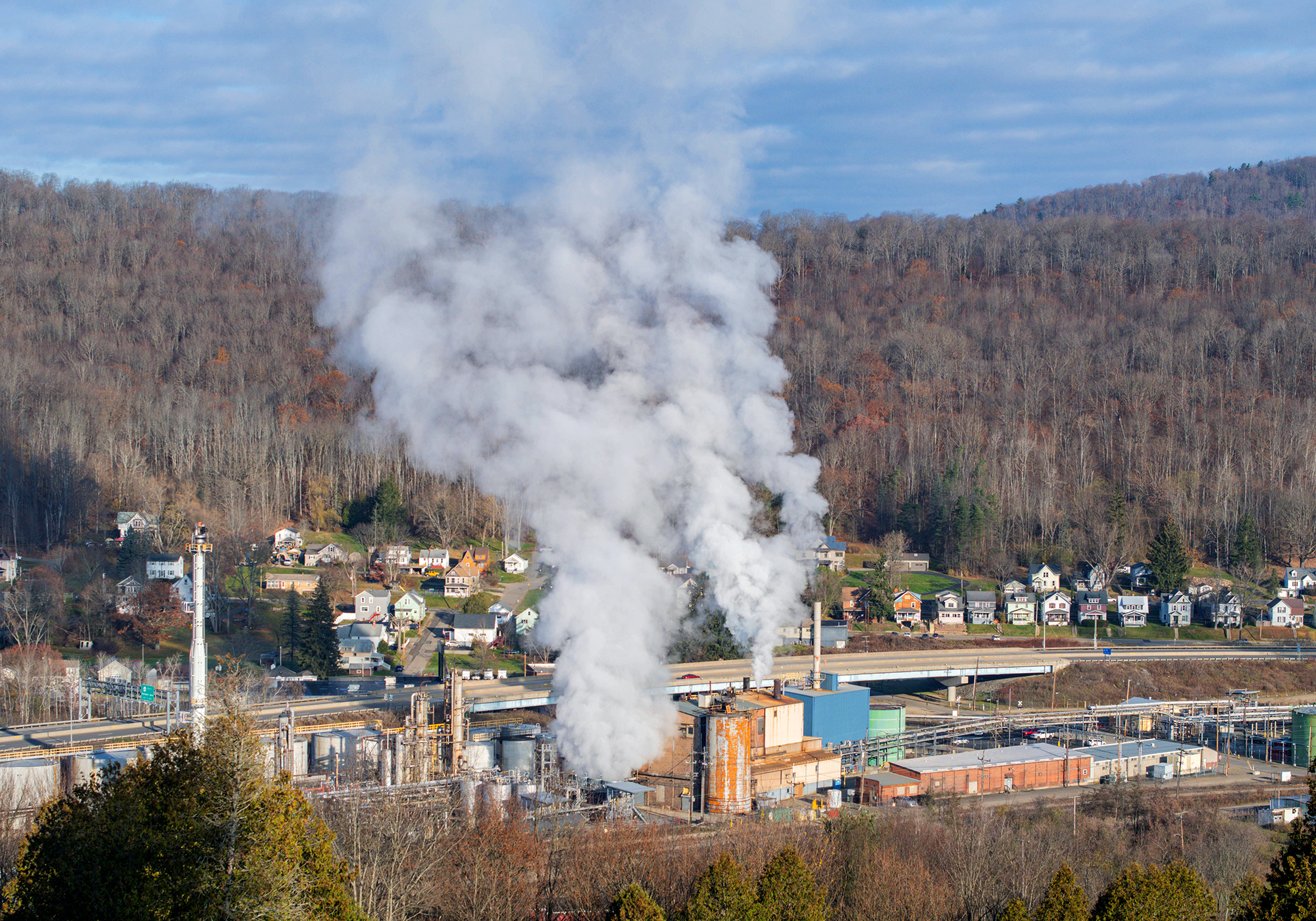
Oil refinery in a rural community.

Renewable Energy Transition in Rural America (809U)

Climate change is considered the greatest public health threat of the 21st century. To address it, 180 major medical and public health organizations have identified transitioning to cleaner forms of energy as essential to protect both immediate health from polluting fossil fuels while protecting long-term health from the pernicious effects of climate change.

To achieve the scale of renewable energy needed in the U.S., rural areas will be essential to a clean energy transition. Rural energy cooperatives serve 42 million people – selling energy for industrial uses; at the same time, rural cooperatives are heavily reliant on fossil fuel, including coal, gas, and oil, at 61% of their energy mix compared to 19% nationally. Without dedicated policy and resources, rural America risks being left out of a clean energy transition, which has profound implications for health, equity, and financial opportunities.

Recently, guidance for the Empowering Rural America program under the Inflation Reduction Act was released, which provides financial assistance for rural cooperatives to transition to clean energy. However, several barriers exist to a just and equitable transition, from shifting political landscapes to undemocratic structures of cooperatives to the risks of lost jobs as fossil fuel plants shutter. This Action Lab, as part of the Human and Planetary Health initiative, will partner student teams with two community-based organizations in rural areas. These client organizations have identified data and policy needs to ensure rural America can take full advantage of the benefits of the Inflation Reduction Act. These include direct and indirect health impacts; logistical, political, and socio-economic barriers; and policies facilitating or hindering the clean energy transition.

In addition to Stanford Law students, graduate students from other Schools are invited to apply — especially from the schools of Medicine and Sustainability.

Elements used in grading: Attendance, Class Performance, Class Participation, Written Assignments.

Cross-listed with Pediatrics ( PEDS 289), Law ( LAW 809U), Environmental Behavioral Science ( EBS 291).


COURSE CATALOGUE
Consent of Instructor – Application Portal

Instructors

Lisa Patel

Lisa Patel

  • Clinical Associate Professor, Stanford Medicine Children's Health
  • Executive Director, Medical Society Consortium on Climate and Health
Deborah A. Sivas 1

Deborah A. Sivas

  • Luke W. Cole Professor of Environmental Law
  • Director, Environmental and Natural Resources Law and Policy Program
  • Co-Director, Environmental Law Clinic
  • Senior Fellow, Stanford Woods Institute for the Environment
  • Affiliated Researcher, Center for Ocean Solutions
  • Faculty Advisor, Emmett Interdisciplinary Program in Environment and Resources
  • Professor, Doerr School of Sustainability

Deliverables

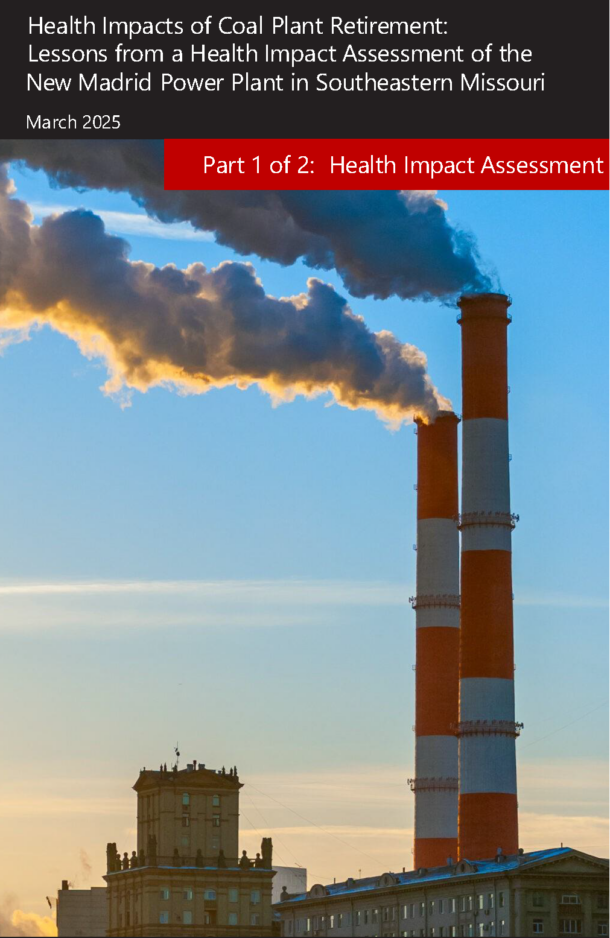
Report Cover: Health Impacts of Coal Plant Retirement: Lessons from a Health Impact Assessment of the New Madrid Power Plant in Southeastern Missouri - Part 1 of 2: Health Impact Assessment 1 (Image of smoke stack).

Health Impacts of Coal Plant Retirement: Lessons from a Health Impact Assessment of the New Madrid Power Plant in Southeastern Missouri – Part 1 of 2: Health Impact Assessment

The Magnitude 7 Metals (Mag 7) aluminum plant was once a significant employer in Missouri’s New Madrid County and contributed nearly one-third of national primary aluminum production. In January 2024, […]

Health Impacts of Coal Plant Retirement: Lessons from a Health Impact Assessment of the New Madrid Power Plant in Southeastern Missouri – Part 2 of 2: Policy Recommendations

The curtailment of the Magnitude 7 Aluminum Smelter in Marston, Missouri in January 2024 marks a critical decision point for Associated Electric Cooperative Inc (AECI) for the future of New […]
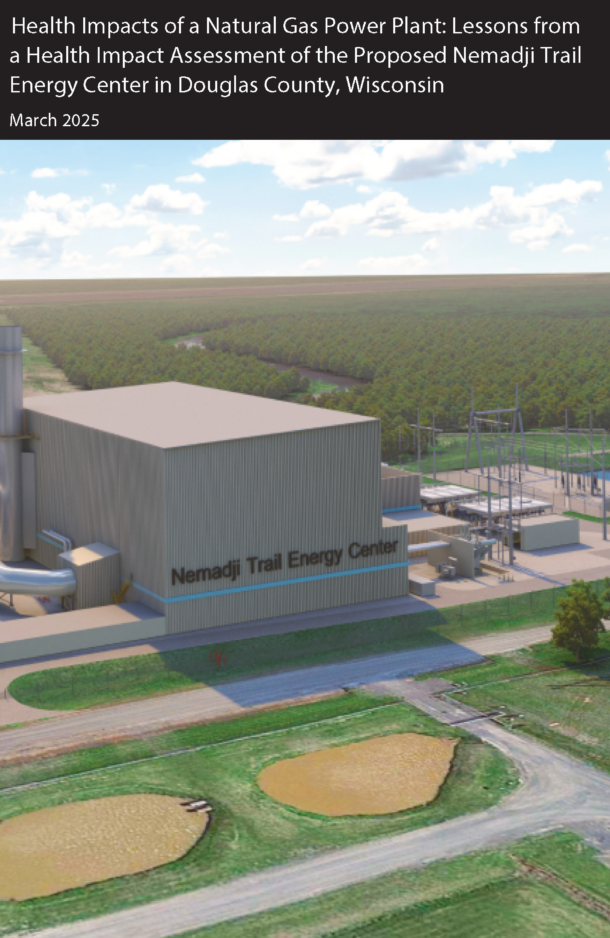
Report Cover: Health Impacts of Coal Plant Retirement: Lessons from a Health Impact Assessment of the New Madrid Power Plant in Southeastern Missouri - Part 1 of 2: Health Impact Assessment (Image - Nemadji Trail Energy Center).

Health Impacts of a Natural Gas Power Plant: Lessons from a Health Impact Assessment of the Proposed Nemadji Trail Energy Center in Douglas County, Wisconsin

This joint policy memo and health impact assessment (HIA) recommends that the Rural Utility Service (RUS) should not approve a loan to construct the Nemadji Trail Energy Center (NTEC). This […]