
Deal Watch: Busy Period for Dealmaking, and Why SPACs Have Returned
Details
- Publish Date:
- October 30, 2025
- Author(s):
-
- Smith, Patrick
- Source:
- The American Lawyer
- Related Person(s):
Summary
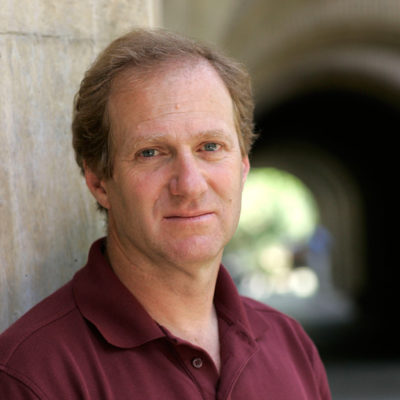
Michael Klausner, law professor at Stanford Law and one of the world’s foremost experts on SPACs, said there were some inherent flaws with previous iterations of SPACs.
“This is inherent in the SPAC structure,” Klausner wrote. “The result is that SPAC share prices, post-merger, fall at least by that amount, and typically much more. The market finally realized this a couple of years ago. As a result, (a) any SPACs that were created saw essentially 100% redemptions, or (b) a failure to merge and hence liquidation. SPACs then vanished for a while.”
They didn’t vanish forever, of course. A major change, Klausner said, is in part responsible for the surge of SPACs this year.
“SPACs have recently come back but with a big difference,” he wrote. “Public shareholders redeem nearly 100% of their shares. So, unlike before, public shareholders are not hurt. This also means that the only investment in private companies is from the SPAC sponsor and perhaps other private investors.”
Klausner also said that a new SPAC structure—created by Canadian businessman Chamath Palihapitiya, and which removes dilution and cash extraction—could also catch on, incentivizing investors.
Palihapitiya previously made some news as an executive at Facebook. He oversaw the rollout of the advertising platform Facebook Beacon in 2007, which was later the target of a class action lawsuit due to privacy concerns before being discontinued in 2009.
“For both this SPAC and the other recent SPACs, the test will be whether they succeed in merging and then what happens to their post-merger share price,” Klausner wrote. “Perhaps Chamath’s structure will catch, in which case SPACs would not be as abusive to non-redeeming public shareholders as they were in the past.”
Either way, Klausner said the type of company that would want to go public via a SPAC, without public investors, would be very specific.