
Israeli Tech Firms Targeted In More Class Securities Suits
Details
- Publish Date:
- March 30, 2017
- Author(s):
-
- Gartrell, Antoinette
- Source:
- Bloomberg - BNA (Securities Law Daily)
- Related Person(s):
- Related Organization(s):
Summary
Securities class actions against U.S.-listed foreign issuers spiked in 2016, thanks in part to an increasing number of lawsuits against Israeli companies.
The eight filings against Israel-based corporations last year were the most ever and accounted for nearly 20 percent of the 42 U.S. class securities actions against non-U.S. companies.
…
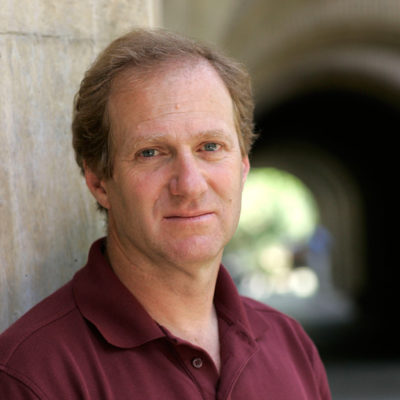
“Facing U.S. securities laws is a cost of doing business—a cost than can promote investor protection,” Stanford Law Professor Michael Klausner said. LaCroix agreed. Despite the rising number of class securities suits against foreign issuers, he said, non-U.S. companies still want to be listed in the U.S. The U.S. markets are viewed as more transparent and as providing greater liquidity, making them more attractive to investors, LaCroix said.
Moreover, according to LaCroix, the vast majority of cases are dismissed or settled. “The calculation of damages is usually a threat to the life of the company, which can’t take the risk of a jury verdict.” To date, only approximately 25 cases have actually gone to trial since the Private Securities Litigation Reform Act was enacted in 1995, he said.
Class suits against foreign companies also tend to settle earlier than those against domestic entities and for less money, Klausner said. In any event, class suits against both foreign and U.S. issuers are thrown out of court approximately 45 percent of the time due to PSLRA’s high pleading standards, Klausner said. The remainder almost always settle, he said.
“These cases are driven by lawyers, who generally get a fee of about 30% of the amount recovered for investors. Unlike traditional lawsuits, lawyers seek out plaintiffs as opposed to plaintiffs seeking out lawyers. The potential for a fee in a successful case provides lawyers with an incentive to bring these cases,” he said.
Read More