
University of Texas Law Alters AI Policy to Stop Skills Loss
Details
- Publish Date:
- June 17, 2026
- Author(s):
-
- Killelea, Eric
- Source:
- Bloomberg Law
- Related Person(s):
- Related Organization(s):
Summary
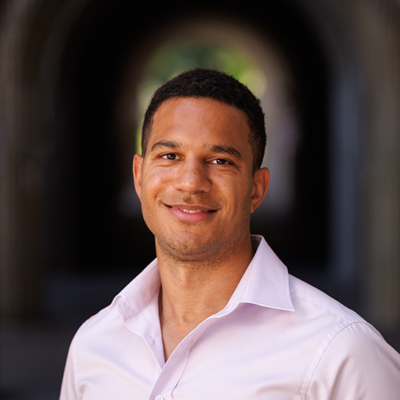
Julian Nyarko, a professor and co-chair of Stanford Law School’s AI Initiative, said evidence on de-skilling is “complicated,” with randomized controlled trials producing conflicting results. A Cornell University study finding students using AI on a first task “leads them to perform worse and give up sooner on subsequent tasks,” he said. However, a similar studyat the University of Minnesota Law School, he said, found “no detrimental effects of AI access on subsequent, unassisted tasks.”
“There probably is some risk of cognitive de-skilling if AI is implemented carelessly, but we shouldn’t forget that there is also tremendous opportunity if done right,” Nyarko said. Recent AI models can answer questions “better than most law professors can on the spot” and offer scalable learning experiences like simulation exercises that have “previously been impossible.”
Still, Nyarko said no school has found a way to push cheating risk to “near zero” short of measures used by companies like keystroke logging or gaze tracking, which he said schools have shown little interest in adopting.
Read More