
Helping Big Ideas Get Off the Ground
New Entrepreneurship Clinic gives students an immersive intro to startup law
In a region famous for billion-dollar startups and tech giants, it can be easy to forget that many entrepreneurs are just trying to get a foothold—figuring out how to form an LLC, draft a contract, or navigate financing documents, often without a strong professional network. That’s where Stanford Law School’s new Entrepreneurship Clinic comes in.
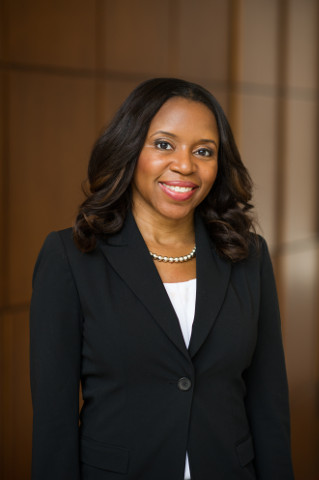
The clinic launched this spring under the leadership of Professor Bernice Grant, who joined Stanford Law School in 2024 from Fordham Law School, where she founded a similar clinic that focused on underserved business owners. Stanford Law’s only clinic focused exclusively on transactional work, the Entrepreneurship Clinic gives students hands-on counseling experience while providing free legal support to early-stage entrepreneurs, nonprofits, and small-business owners who would not be able to afford a startup lawyer.
“There’s no better place to have a clinic for law and entrepreneurship than Stanford Law School, where we can leverage the vast resources of Silicon Valley and build on the entrepreneurship energy that pervades so much of life here,” says Grant, a former Certified Public Accountant. “There are so many brilliant founders out there, often with these groundbreaking ideas, who simply don’t have access to lawyers.”
And the benefits of the clinic run both ways.
“Our students are getting exposed to a remarkably broad range of legal issues,” Grant says. “In a single week, they might apply what they’ve learned in contracts, corporations, tax, employment law, IP, and securities regulation. They’re helping clients figure out how to form companies, draft founder agreements, navigate financing, and protect intellectual property, all while tailoring their guidance to real-world business goals.”
Transactional Law in Action
The Entrepreneurship Clinic is the new incarnation of the former Organizations and Transactions Clinic, which focused primarily on serving nonprofits. With Grant the director and Monica Pelayo its clinical supervising attorney, the reimagined clinic continues to represent nonprofits, but focuses primarily on small businesses and early-stage founders. Like its predecessor and other Mills clinics, it offers students a strong emphasis on real-world client interaction. The clients the clinic has taken on during its inaugural quarter include a vegan event planner, a women’s health technology startup, and a startup focused on combating rising temperatures.
“Our students are getting exposed to a remarkably broad range of legal issues.”
Bernice Grant, Entrepreneurship Clinic Director
For Stella Zhou, JD ’25, the clinic came at the perfect time. A soon-to-be corporate associate and the current co-president of the Stanford Law Start-Up Project, Zhou is among the inaugural cohort of eight clinic students and is spending her final quarter immersed in client work. One of her projects focused on helping a client who was presented with a Simple Agreement for Future Equity from an investor.
“SAFEs are equity agreements often used in financing during the early stages of startups. My client has never gone through financing before,” Zhou says. So she and her clinic partner drafted a memo to explain the key terms of the agreement and their effect on their client’s ownership of the company.
“One of my professional responsibilities as a lawyer will be to abide by the client’s decisions concerning the objectives of representation, which means letting my client make the ultimate substantive decision,” says Zhou. “This motivates me in my everyday legal work to simplify legal concepts and explain situations to my clients in a language they can comprehend.”

Cybele Zhang, JD ’26 (BA ’22), says she enrolled in the clinic, in part, because of what she saw as “a large gap” in her legal knowledge. “Client relation skills are an immensely important part of legal practice, especially in finding and retaining clients and building trust and rapport with them,” she says. “In conventional law school courses, however, these so-called soft skills are almost never taught or rewarded.” Zhang’s clients include a San Francisco-based pet-sitting service and a food allergy awareness and education organization founded by a Stanford undergraduate student.
One of the legal services that the clinic is providing to Grand & Graham Pets is drafting template contracts, which helps to formalize the company’s relationships and distinguishes it from many pet services providers that often rely on informal relationships. The additional legal protections are beneficial for Grand & Graham Pets in ensuring liability protections and also beneficial for clients, who can leave their pets with their sitters with more confidence. “It’s treating pet care like the serious business it is, not like a casual favor between neighbors,” says Elizabeth Irwin, founder of Grand & Graham Pets. “When we elevate industry standards, everyone wins—clients, sitters, and, most importantly, the pets.”
Pelayo, who previously practiced as an emerging companies attorney at two large law firms, says most law students graduate without any real transactional grounding. “In the clinic, they get to see how things work in practice—including formatting documents and anticipating client questions. They’re learning how to respond when a founder, say, walks in with a contract that was drafted using an AI tool. That’s what real-world lawyering looks like.”
Grant says entrepreneurship can transform people’s lives. “We’re giving students the skills to help their clients build something,” she says. “And in doing so, they’re launching more than companies—they’re launching their own careers.” SL