SLS’s Top Stories of the Year
As 2024 draws to a close, Stanford Law School reflects on a year of impactful news from across our community. Numerous news and feature articles, along with a constant stream of content on the Legal Aggregate blog, highlighted the insights of faculty members, celebrated the legacies of distinguished alumni, and showcased the dedication and hard work of our students.
Our most-read stories spanned topics from the evolving relationship between artificial intelligence and the law to societal debates on justice, equality, and environmental stewardship. Readers turned to SLS for analyses of landmark court decisions, such as the Supreme Court’s Loper Bright ruling and its implications for environmental law, as well as deeper dives into historical and contemporary issues, including the legacy of Brown v. Board of Education. Articles also showcased institutional events, like the Bright Award for Environmental Sustainability, and pioneering AI-driven initiatives to address systemic racial inequities, as well as the legacy of one of SLS’s most illustrious alums, the late Sandra Day O’Connor.
The list below is of some of the top articles that captured the attention of our audience in 2024. Each piece reflects the profound commitment of SLS to shaping legal discourse. Click through to explore the stories that defined the year and set the stage for the challenges and opportunities ahead.
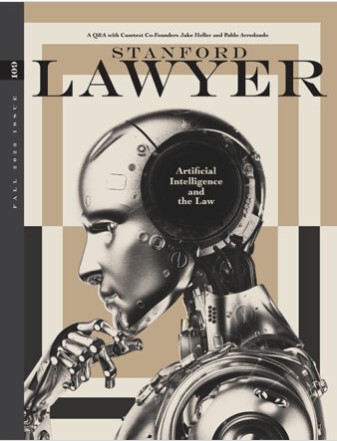
- Artificial Intelligence and the Law: Legal Scholars on the Potential for Innovation and Upheaval: The cover story in our Fall/Winter 2023 edition of Stanford Lawyer magazine was one of the most-read magazine articles through the early part of 2024.
- SLS’s Summer Faculty Reading Lists are always popular offerings. The 2024 list featured thought-provoking classics such as Sinclair Lewis’ It Can’t Happen Here and lighter reads like Armistead Maupin’s Tales of the City.
- In an online Stanford Lawyer magazine essay titled “Brown v. Board: Success or Failure?,” Professor Ralph Richard Banks tackled the legacy of the landmark Brown v. Board of Education case, arguing that “Brown at 70 is not aging well. The shortcomings of the decision—necessary to secure unanimity—are becoming ever more apparent.”
-
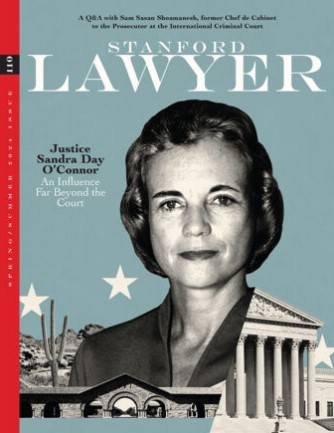
A Stanford Lawyer magazine cover story titled “An Influence Far Beyond the Court” paid homage to the late Sandra Day O’Connor, a member of the class of 1952 and the first woman appointed to the U.S. Supreme Court.
- Professor Dan Ho and the always-busy RegLab received nationwide news coverage for an AI-driven initiative that is identifying and mapping racial covenants in over 5 million Santa Clara County deed records.
- A groundbreaking report, Fatal Peril: Unheard Stories from the IPV-to-Prison Pipeline and Other Stories Touched by Violence, from SLS’s Criminal Justice Center and spearheaded by the Center’s Executive Director Debbie Mukamal, gave voice to approximately 650 women serving time for murder and manslaughter in two California prisons.
- Professor Deborah Sivas’ Q&A about the Supreme Court’s Loper Bright decision, which overturned the longstanding Chevron doctrine, garnered strong readership, with Sivas discussing the upending of 40 years of precedent.
-
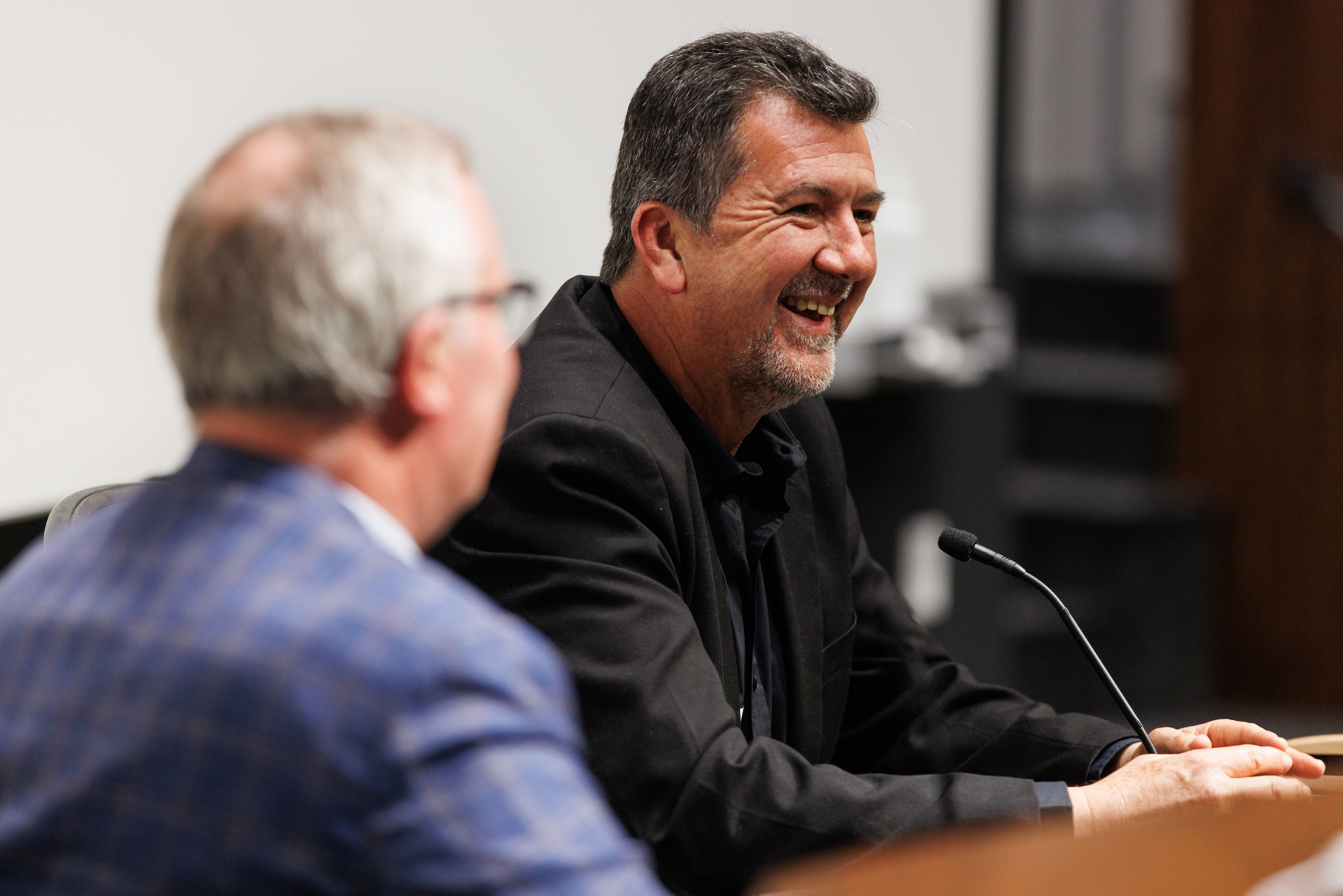
2024 Bright Award recipient Rodrigo Botero Garcia Stanford University’s highest environmental prize, given annually at SLS, is the Bright Award for Environmental Sustainability. Coverage of the 2024 winner, Colombian Rodrigo Botero Garcia, drew readers to learn about Botero’s work preserving large swaths of the Amazon region.
- After then-presidential candidate Donald Trump’s conviction in May for falsifying business records, readers turned to a Q&A with Professor Robert Gordon about the history of presidential crimes and the significance of the conviction.
- When California Governor Gavin Newsom signed a law banning legacy admissions at private, nonprofit colleges in California, Professor Ralph Richard Banks, co-founder and faculty director of the Stanford Center for Racial Justice, discussed the new law and why it matters.
-
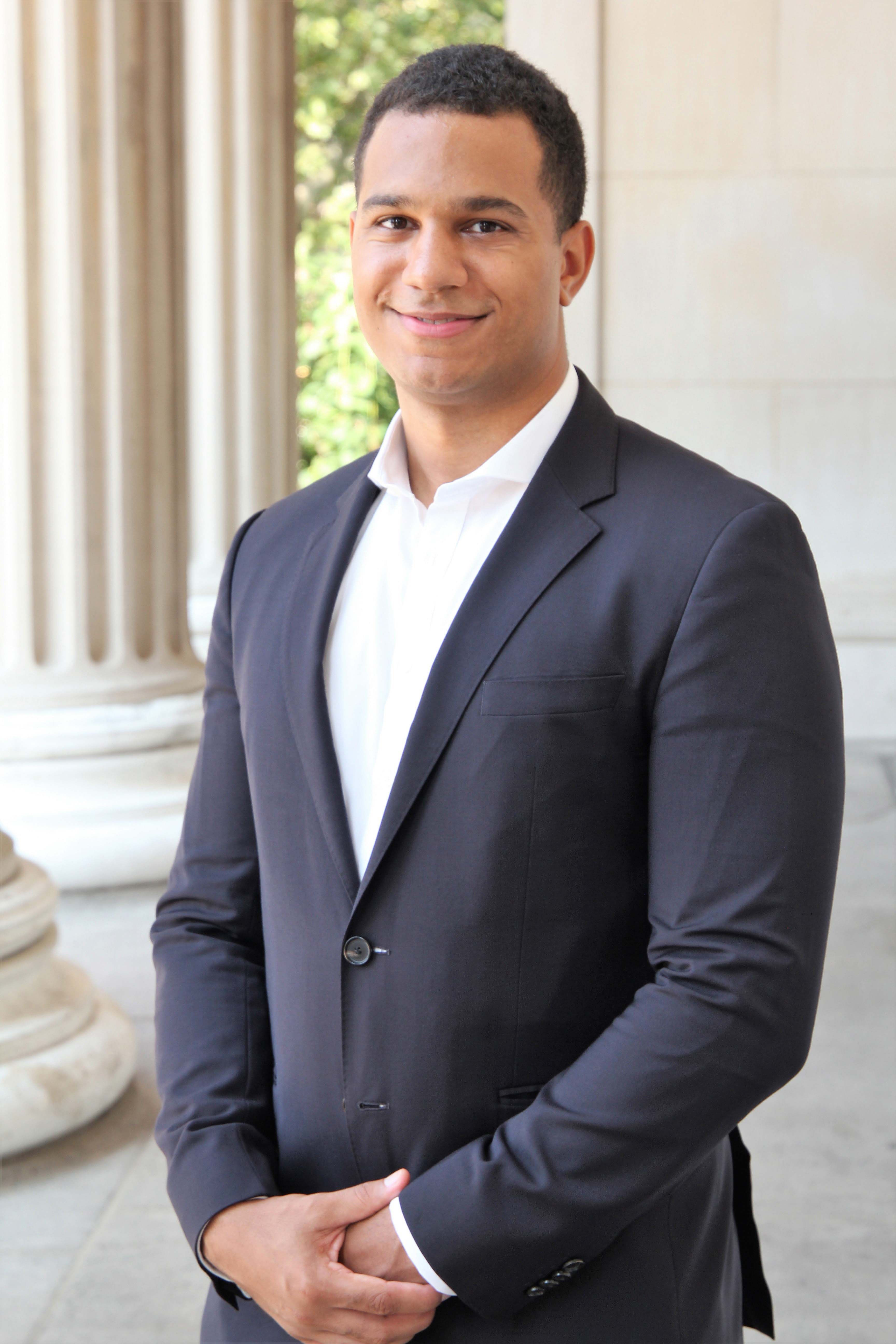
Stanford Associate Professor of Law Julian Nyarko Professor Julian Nyarko discussed the startling data reported in his paper, “What’s in a Name? Auditing Large Language Models for Race and Gender Bias,”which looked at how large language models like ChatGPT treat certain queries that include first and last names suggestive of race or gender.