
California’s New Racial Profiling Act a Step in the Right Direction, Though More Work Is Needed
Governor Jerry Brown’s decision to sign the bill proposing the Racial and Identity Profiling Act of 2015 was the correct choice. Further, it could provide a model for action in this critical and contentious area for states across the nation.
While this law will not, by itself, create police accountability, it is a step in the right direction.
The law has four elements. First, it replaces the existing definition of racial profiling with the more capacious “racial or identity profiling,” which encompasses the consideration of “actual or perceived race, color, ethnicity, national origin, age, religion, gender identity or expression, sexual orientation, or mental or physical disability.” Second, the law mandates that law enforcement agencies throughout the state annually collect and report a variety of types of data. Agencies will be required to report not only information about their officers’ stop and search practices, but also local patterns of criminal wrongdoing, the demographics of offenders, and the number and types of complaints filed against the agency’s officers, along with their disposition. Third, the law requires ongoing training of law enforcement personnel so that they will not engage in racial or identity profiling. Finally, the law provides for a Racial and Identity Profiling Advisory Board, which would oversee the mandated training, evaluate the data and reports submitted by local agencies, and issue an annual report, which would include policy recommendations.
These measures are useful though limited. Perhaps the most important part of a police officer’s job involves his or her interactions with members of the public. Yet, we know little about the nature or pattern of those contacts. A necessary first step then toward police accountability is to know more about officers’ interactions with the public, to identify patterns that will only become apparent through the collection and analysis of aggregate data.
The data alone though will not resolve disputes about the fairness of policing practices. Racial justice advocates’ contention that certain racial minority groups are disproportionately stopped and searched will likely be borne out. Equally true, officers may point out substantial racial disparities in rates of criminal offending and calls for service. Disagreements about the existence of racial profiling will persist, as they have for so many years now.
Ultimately, the problems at the intersection of race and policing will require that we look beyond the question of profiling, and instead think creatively about two things: how to bolster community members’ sense of trust in the police and how to create law enforcement norms and practices that embody officers’ obligations to the community they are sworn to serve and protect. I applaud Governor Brown’s actions, and hope that legislators across the country will follow his lead.
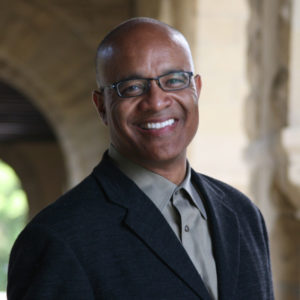
Ralph Richard Banks, the Jackson Eli Reynolds Professor of Law at Stanford Law School, teaches and writes about family law, employment discrimination law and race and the law. He is the author of Is Marriage for White People? How the African American Marriage Decline Affects Everyone. Recent courses he has taught include Policy Practicum: Policing and Data Innovation, Race, Policing and Prosecutors: Perspectives, Problems, and Possibilities, and Racial Justice through Law.