
David A. Sklansky
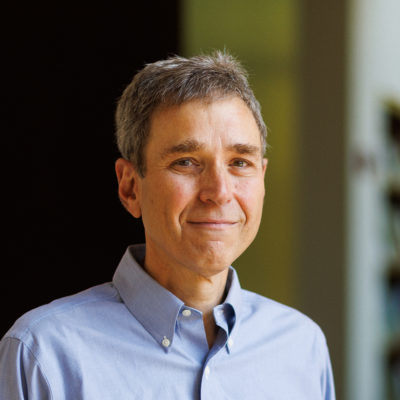
- Stanley Morrison Professor of Law
- Faculty Co-Director, Stanford Criminal Justice Center
- Room N257, Neukom Building
Expertise
- Constitutional Criminal Procedure
- Criminal Law
- Evidence
- Plea Bargaining & Juries
- Prosecutorial Ethics
- Sentencing & Corrections
Biography
David Sklansky teaches and writes about policing, prosecution, criminal law and the law of evidence. His newest book, “Criminal Justice in Divided America: Police, Punishment, and the Future of Our Democracy,” was published in 2025 by Harvard University Press. Sklansky is faculty co-director of the Stanford Criminal Justice Center, a faculty affiliate of Stanford’s Center for Comparative Studies in Race and Ethnicity, and a member of the American Law Institute. In 2017 he received the law school’s John Bingham Hurlbut Award for Excellence in Teaching.
Before joining the faculty of Stanford Law School in 2014, Sklansky taught at U.C. Berkeley and UCLA. He won campus-wide teaching awards at both those institutions. Earlier he practiced labor law in Washington D.C. and served as a federal prosecutor in Los Angeles.
Education
- BA, UC Berkeley, 1981
- JD, Harvard University, 1984
Related Organizations
Courses
- Corruption
- Criminal Law
- Directed Research
- Discussion (1L): The Trump Prosecutions: Law, Politics, and Polarization
- Discussion (1L): What is the Rule of Law?
- Evidence
- Externship, Special Circumstances
- Homicide Law and Gender Based Violence
- Policy Practicum: Fair Compensation of Prison Labor in the U.S.
- Policy Practicum: Regilla Project: Women Incarcerated for Killing their Abusers
- Policy Practicum: Who Serves? The Selection of Jurors
- S-Term: Comparative German-American Criminal Law
- SPILS Masters Thesis
Faculty on Point | Prof. David Alan Sklansky on Better Forms of Accountability for Prosecutors

Policy Practicums


News
West Valley law enforcement agencies emphasize community’s role in success
The Mercury News
National Night Out is an annual campaign to strengthen the police’s relationship with the community it patrols by encouraging crime prevention awareness and fostering bonds between neighbors. It is one of many strategies in the community policing model, a law enforcement approach with the core idea to have police work…
Read More : West Valley law enforcement agencies emphasize community’s role in successNewsom says Trump pardons have cost taxpayers $2B as war over ‘fraud’ escalates
How has Trump's second term transformed the Justice Department?
Evidence against Ryan Wedding's lawyer Deepak Paradkar comes from FBI witness
Unfettered and Unaccountable: How Trump is Building a Violent, Shadowy Federal Police Force
Lawfare’ hits new levels, as Trump pursues those who pursued him