
Stanford Law School’s 2024 End-of-Year Faculty Reading List

Looking for a good book or two to dig into during the holidays? The Stanford Law School Faculty End-of-Year Reading List offers up some of our professors’ favorite reads.
Michelle Wilde Anderson, Larry Kramer Professor of Law, recommends Our Migrant Souls by Héctor Tobar
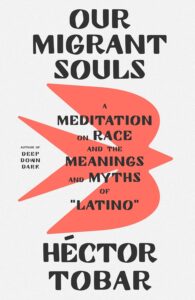
Early on in this book, I began daydreaming about all the people I wanted to read it. I pictured buying a whole box of the hardbacks to give as gifts. If I had a box of 100, half of which could be stashed in my office to give to my students over time, it would not be enough. I daydreamed about grant funding to support getting this book in the hands of thousands of high school and college teachers across America.
For me as a Californian, this book brought the border to life, brought LA to life, brought the 40% Latino share of our state to life. It illuminated not just the physical world of East Hollywood and other places in LA but the mythological world of Hollywood stories. Overused progressive words like “empire” and “colonize” somehow came to life in truer form, underpinned by real stories as well as cultural fictions. The book made known things feel brand new and modern, as if written to teach a new generation of youth old tales. (For just one example, how many times have I read about the 1930s redlining maps? Dozens. Never have I seen them analogized to the “endpapers of fantasy novels,” which was somehow so visually perfect and true that it was as though I saw these maps anew, as if for the first time.)
Our Migrant Souls delivers luminous imagery with brilliant turns of phrase, but it also transmits powerful ideas. A reader comes to see how the closure of U.S. borders is not permanent, inevitable, or even possible—the conceit of physically walling off a nation of our size is a relatively recent idea, and one whose legal architecture has had to be developed over time. The human consequences within people and families of border separations are told with equal parts tenderness, wit, and moral force. Tobar’s unspooling (and thereby undoing) of just about every word and sub-word of Latino identity was an act of showing, not telling, the way that race is a social construction. That first luminous read was months ago. Sitting here now, in December 2024, I consider this book to be essential reading for all of us to remember ourselves as a multiracial nation, as an immigrant nation, as a nation whose labor force has always been built by an inflow of people in a tortured process of becoming American. I will read it again this winter season with a new resolve to protect our migrant souls.
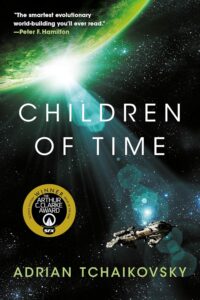
Evelyn Douek, Assistant Professor of Law, recommends Children of Time by Adrian Tchaikovsky
This year I really enjoyed Children of Time by Adrian Tchaikovsky, a true sci-fi epic with plenty of entertainment and insight. It’s about space, terraforming, spiders and, at its core, human nature.
Richard Thompson Ford, George E. Osborne Professor of Law, recommends Get the Picture by Bianca Bosker and Up Home by Ruth Simmons
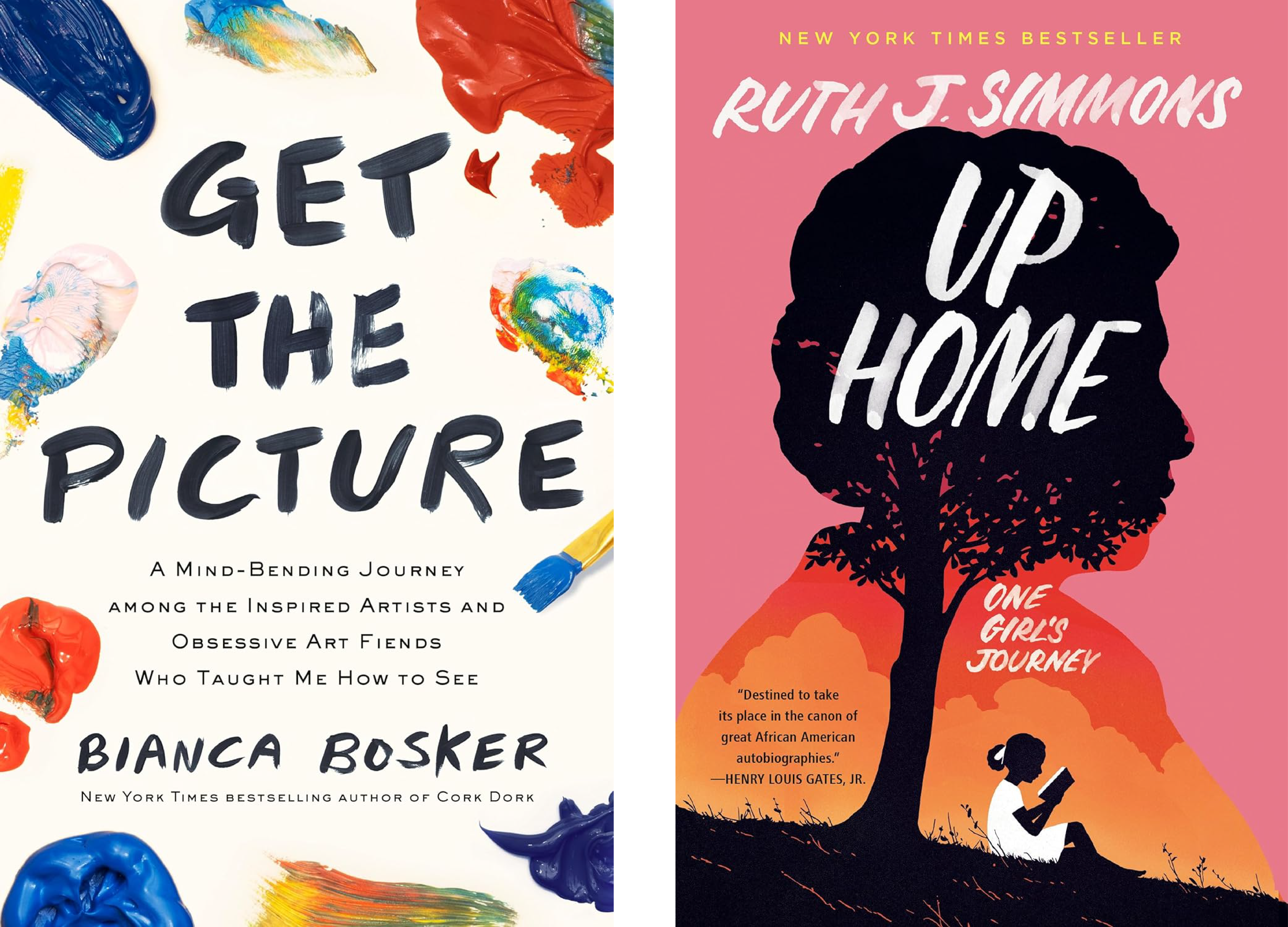
Get the Picture by Bianca Bosker. A witty and engaging look at the insular and inscrutable art world. Bosker pierces the pretenses of snobbish galleries, status seeking collectors, and obtuse artists while acknowledging the sublime capacity of art to move and inspire us. Informative, insightful and witty.
Up Home by Ruth Simmons. An inspiring but unexpectedly subtle memoir from the first Black woman to lead Smith College and Brown University.
Lawrence M. Friedman, Marion Rice Kirkwood Professor of Law, Emeritus, recommends Pride and Prejudice and Emma by Jane Austen
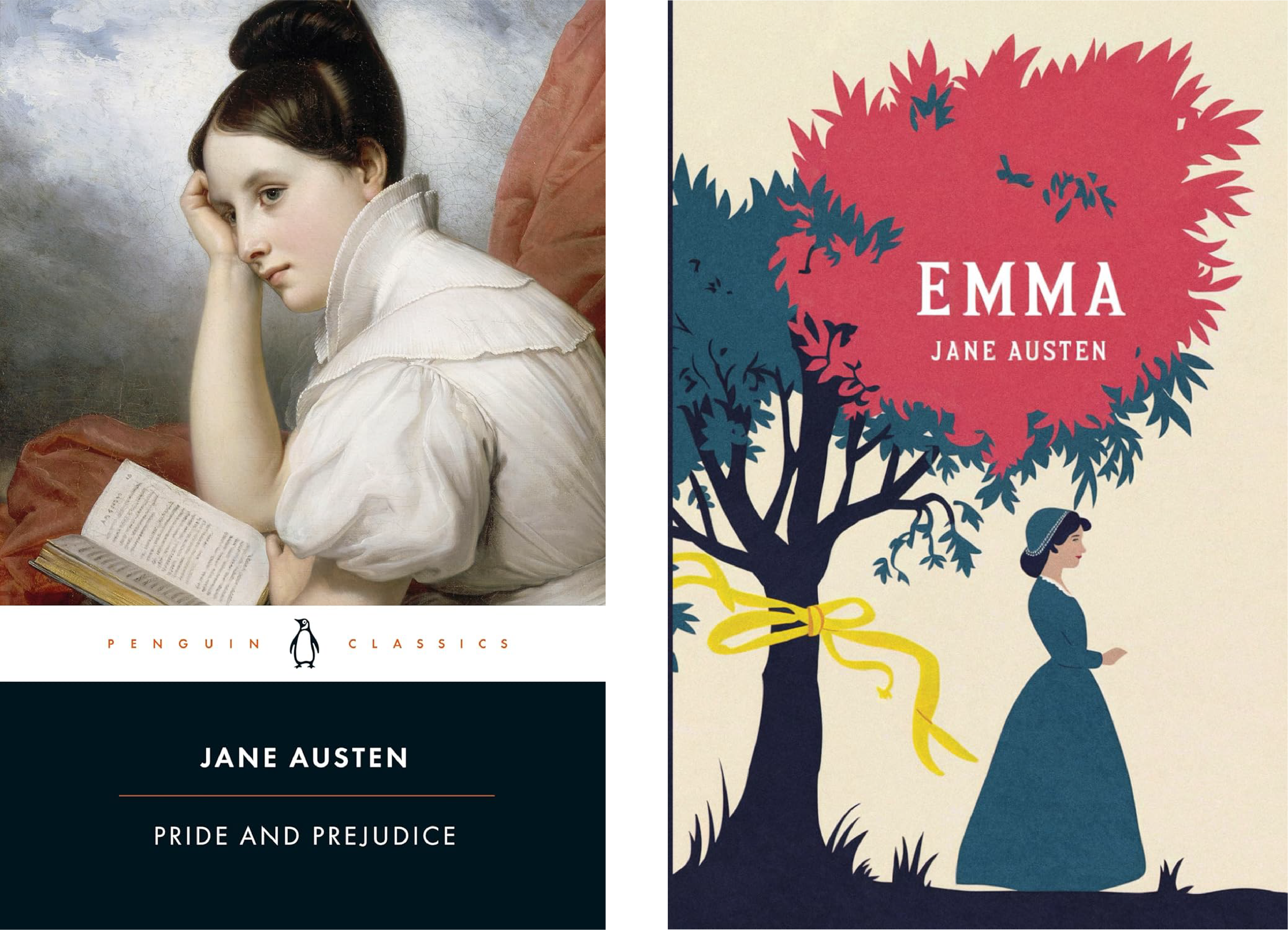
In 2025, which is soon to come, it will be 250 years since the birth of Jane Austen. This is the time to read or reread or rereread Pride and Prejudice, Emma, and the other wonderful novels, as fresh and enjoyable as the day they were published.
Robert W. Gordon, Professor of Law, Emeritus, recommends The Taft Court by Robert C. Post, The Searcher and The Hunter by Tana French
Robert Post is a former dean of the Yale Law School. His book, The Taft Court, is a monumental history of the Supreme Court under the Chief Justiceship of William Howard Taft, who took the job after failing to be re-elected President. The book covers nine years of the Court’s history—very eventful years. Taft, an extraordinarily able and energetic administrator, restructured the Court into what it is today, a tribunal with discretionary jurisdiction concerned to announce general principles for the guidance of lower courts. Taft also saw to it that appointments to the Court shared his own conservative views of the rights of property, and skepticism toward legislation and administration that interfered with it—views that regularly outflanked a brilliant and frequently dissenting coalition of Holmes, Brandeis, and Stone. The book takes up two thick volumes, 1600 pages long in all. Every chapter is followed by many pages of detailed annotation. The work is scholarly, but anything but tedious—written in a conversational style that carries the reader easily across accounts of decisions in dozens of legal fields, including a fascinating set of chapters on law enforcement under Prohibition. This is a really magnificent work of constitutional history.
Tana French, The Searcher and The Hunter. This very prolific Irish mystery writer departs from the Dublin Murder Squad setting of her earlier novels to tell the story of Cal Hooper, a laconic retired Chicago police detective who resettles in an Irish village, and there comes across more mysteries to solve, feeling his way through the thick fog of secrets and intrigues created by his new neighbors. French is a wonderful writer and creator of characters and atmospheres.
William B. Gould IV, Charles A. Beardsley Professor of Law, Emeritus, recommends Rust Belt Union Blues by Lainey Newman and Theda Skocpol, Reagan by Max Boot, Power and Progress by Daron Acemoglu and Simon Johnson, The Story of the American Dream by David Leonhardt, The Jazzmen by Larry Tye, The Last Billable Hour by Susan Wolfe, The Search by Tom Ehrlich, and Dewey by Dwight Evans and Erik Sherman
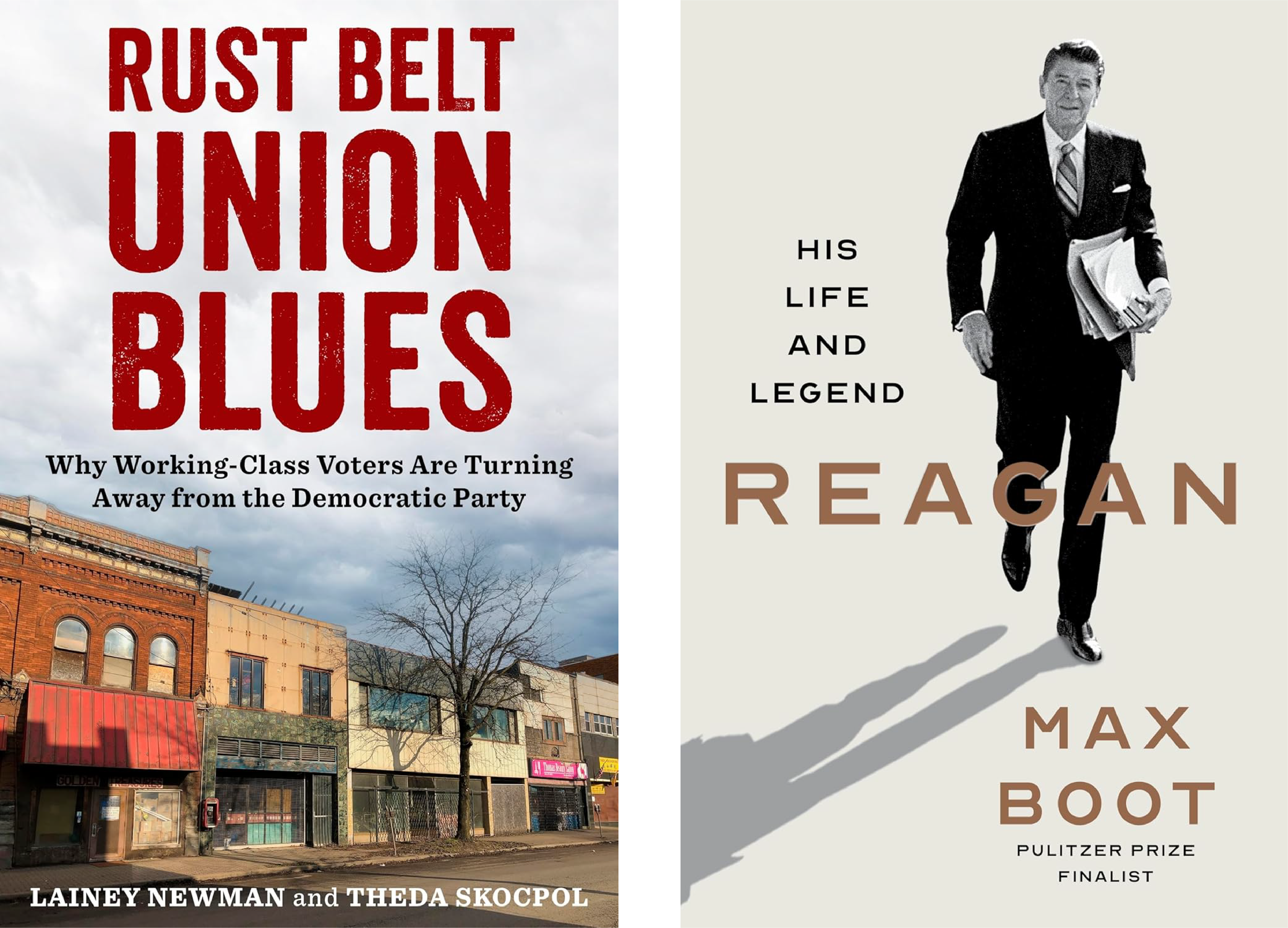
I’ve recently finished Rust Belt Union Blues by Newman and Skocpol an interesting (though frequently laborious) discussion of the changing political role of industrial unions. Quite relevant to Michigan and Pennsylvania election results this past November.
I’ve often thought that Reagan’s commencement of the ’80 campaign in Philadelphia, Mississippi, not only took the Southern strategy a step further but also led directly to Trump and I’ve just begun Max Boot’s Reagan: His Life and Legend. Boot strikes me as eminently sensible—and so does Martin Wolf, whose London Financial Times columns are excellent and whose The Crisis of Democratic Capitalism, which I’ve just started.

A couple of months earlier I read the magisterial Power and Progress by Daron Acemoglu and Simon Johnson who survey economic development and technology disputes taking us up to AI. The book is as vast and instructive in its scope as its title implies. And after that it was on to a series of lively essays which I’ve yet to complete by David Leonhardt – The Story of the American Dream: Ours Was the Shining Future.

None of the above except Boot are discernible after 10pm or so and there I’m halfway through The Jazzmen: How Duke Ellington, Louis Armstrong, and Count Basie Transformed America by Larry Tye. I’ve listened to Ellington tell audiences that he “loved them madly” since the ’50s and heard every edition of the Basie band since I heard them in Asbury Park and Birdland in the ’50s through Yoshi’s a year or two ago. Tye is a great writer (read his books on Joe McCarthy and Satchel Paige). The raw background in this book will make you laugh and want to cry.

A few weeks ago, I met Susan Wolfe and read her light funny The Last Billable Hour which may bring back some memories for those who have practiced law. And take a read of Dean Tom Ehrlich’s The Search: An Insider’s Novel About a University President. You will have some fun not only looking at university politics but also trying to sort out fact from fiction in President Tom’s career and his contact with the late Bobby Knight.

I wish that I could recommend something about my Boston Celtics, surely the greatest franchise ever to appear on this planet—but this Christmas a book about my other first love, the Boston Red Sox and Dwight Evans—Dewey: Behind the Gold Glove has appeared. So spectacularly talented, he always smiles when I tell him that we arrived in the bigs together in ’72, him with the Sox and me with SLS.
Hank Greely, Deane F. and Kate Edelman Johnson Professor of Law, Director, Center for Law and the Biosciences, recommends The Making of the Atomic Bomb by Richard Rhodes, Levels of the Game by John McPhee, The Master and Margarita by by Mikhail Bulgakov, and A River Runs Through It by Norman Maclean
For this winter, I’m recommending four books I read recently, two non-fiction, one fiction, and one somewhere between.

The Making of the Atomic Bomb by Richard Rhodes is a long but magnificent history, not just of the Manhattan Project but of nuclear physics in the late 19th and early 20th century. Like most great books about science, it works by focusing on the people, and what they did. And Rhodes had a lot of fascinating people to talk about.
Next is a much shorter, and more upbeat, but equally enthralling choice, John McPhee’s Levels of the Game. This short book by the New Yorker’s longtime top staff writer is about one tennis match, a semi-final in the 1968 U.S. Open Tournament, between two young American players, Arthur Ashe and Clark Graebner. I love playing (doubles) tennis but pay no attention to the professionals—they play a dauntingly different game from mine. But you don’t need to know anything about tennis to be riveted by this book, which is at least as much about race, war, and American society in the 1960s.
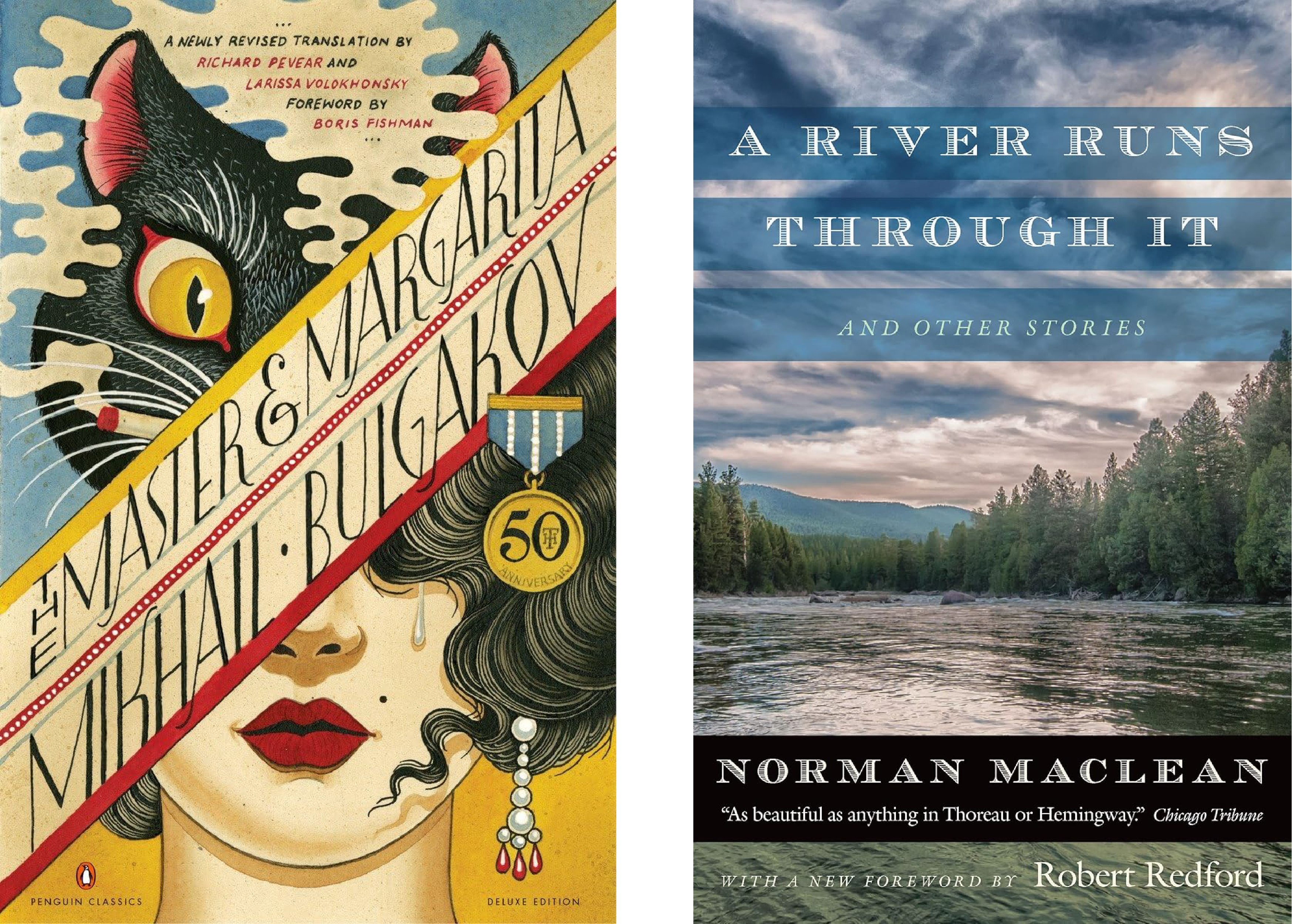
For my fiction choice, I recommend a book I first read probably fifty years ago, a Soviet era classic that I finally revisited a few months ago, Mikhail Bulgakov’s The Master and Margarita. Written between 1928 and 1940 , it was not published for more than a quarter century after its author’s death—understandably so. The devil visits Moscow and satirically punctures Soviet life—although the lasting charm is really how people react to the supernatural.
And last, I urge you to read A River Runs Through It by Norman Maclean. It is often sold as a novella and two short stories; get and read the whole collection. Billed as a semi-autobiographical, the pieces closely parallel the author’s Montana youth. The novella is equally about family and about fly fishing, a religion alien to me, but that made no difference. And it is about small town Montana in the 1920s. The two short stories are also wonderful portraits of life a century ago, one about fighting wildfires and one about old fashioned logging. Each is compellingly realistic—and gorgeously written.
Pamela S. Karlan, Kenneth and Harle Montgomery Professor of Public Interest Law recommends Black Reconstruction in America by W. E. Burghardt Du Bois and An Unfinished Love Story by Doris Kearns Goodwin
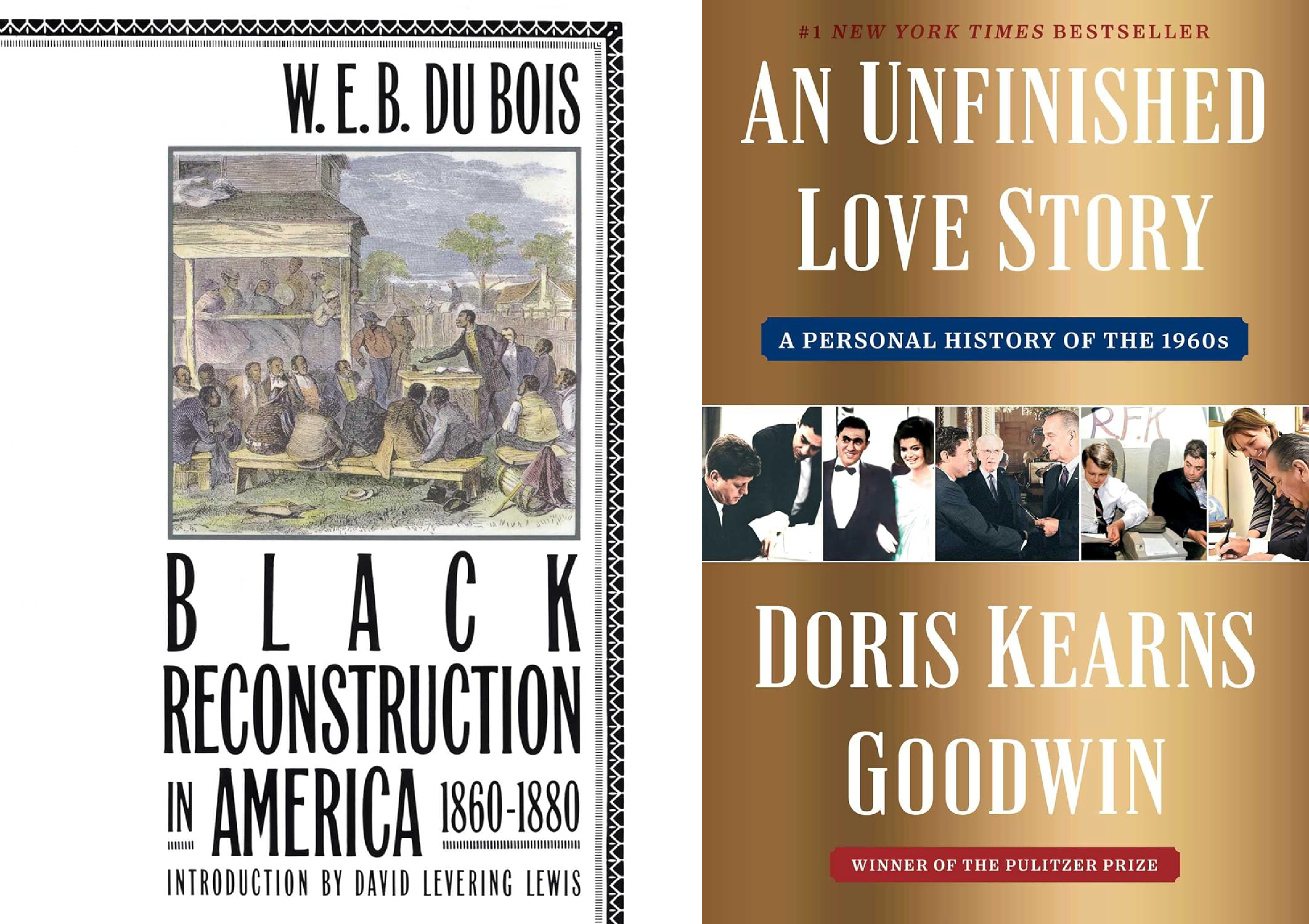
In his 1939 sermon, Learning in Wartime, C.S. Lewis urged his listeners to study history, not because “the past has any magic about it, but because we cannot study the future, and yet need something to set against the present,” and because it might help immunize us “from the great cataract of nonsense that pours from the press and the microphone of [our] own age.” So as we confront a period that seems distinctively threatening to constitutional norms and democracy, I’m reading two books that are about times when so much seemed possible . . . and when those possibilities were tragically lost: W.E.B. DuBois’s masterful Black Reconstruction in America, 1860-1880, and Doris Kearns Goodwin’s An Unfinished Love Story: A Personal History of the 1960s. Confession: I’m switching back and forth between reading, and listening to, Goodwin’s book, which she narrates. It’s great both ways.
Mark A. Lemley, William H. Neukom Professor of Law, Director, Program in Law, Science & Technology, recommends The Stormlight Archive by Brandon Sanderson

The Stormlight Archive isn’t one recommendation, but five rather long books, the last of which came out this month. Sanderson is the greatest living fantasy writer, and this is shaping up to be his masterwork. Unlike other highly respected fantasy writers (I’m looking at you, Patrick Rothfuss and George R.R. Martin), he knows how to finish a series. And his particular version of what he calls “hard fantasy”—fantasy with rules that constrain the characters—allows him to explore a great deal about humanity and what motivates us.
Michael W. McConnell, Richard and Frances Mallery Professor of Law, Director, Constitutional Law Center recommends True Grit by Charles Portis and Burmese Days by George Orwell
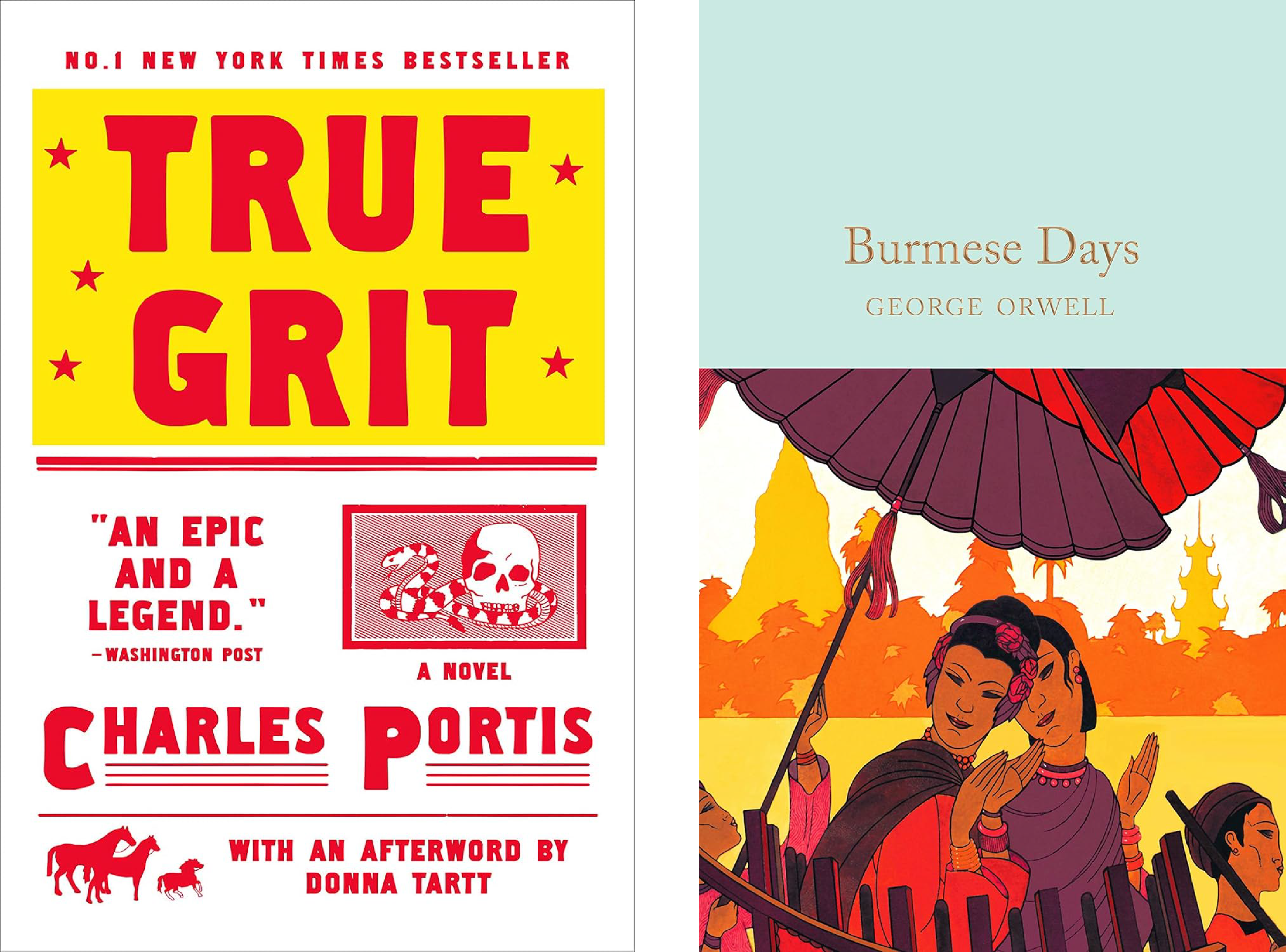
Two novels from a generation ago show how discrimination can be depicted vividly but without presentist moralizing. True Grit, by Charles Portis, tells the story of a young woman pursuing her father’s killer into the frontier with the help of two men who persistently underestimate her. Burmese Days, George Orwell’s first novel, describes the incredible racism of British colonial times in what we now call Myanmar, but from the inside.
Lisa Larrimore Ouellette, Deane F. Johnson Professor of Law, Senior Fellow, Stanford Institute for Economic Policy Research (SIEPR) recommends Say Nothing by Patrick Radden Keefe, Life After Life by Kate Atkinson, and Tenth of December by George Saunders
This fall I’ve been making my way through the books I hadn’t read yet from the New York Times 100 Best Books of the 21st Century. So far, my favorites are Patrick Radden Keefe’s Say Nothing: A True Story of Murder and Memory in Northern Ireland (a history of the Troubles focusing on Jean McConville’s murder), Kate Atkinson’s Life After Life (historical fiction focused on alternate lives for a woman in WWII Britain), and George Saunders’s Tenth of December (darkly humorous and often dystopian short stories).

A. Mitchell Polinsky, Josephine Scott Crocker Professor of Law and Economics, recommends An Unfinished Love Story by Doris Kearns Goodwin
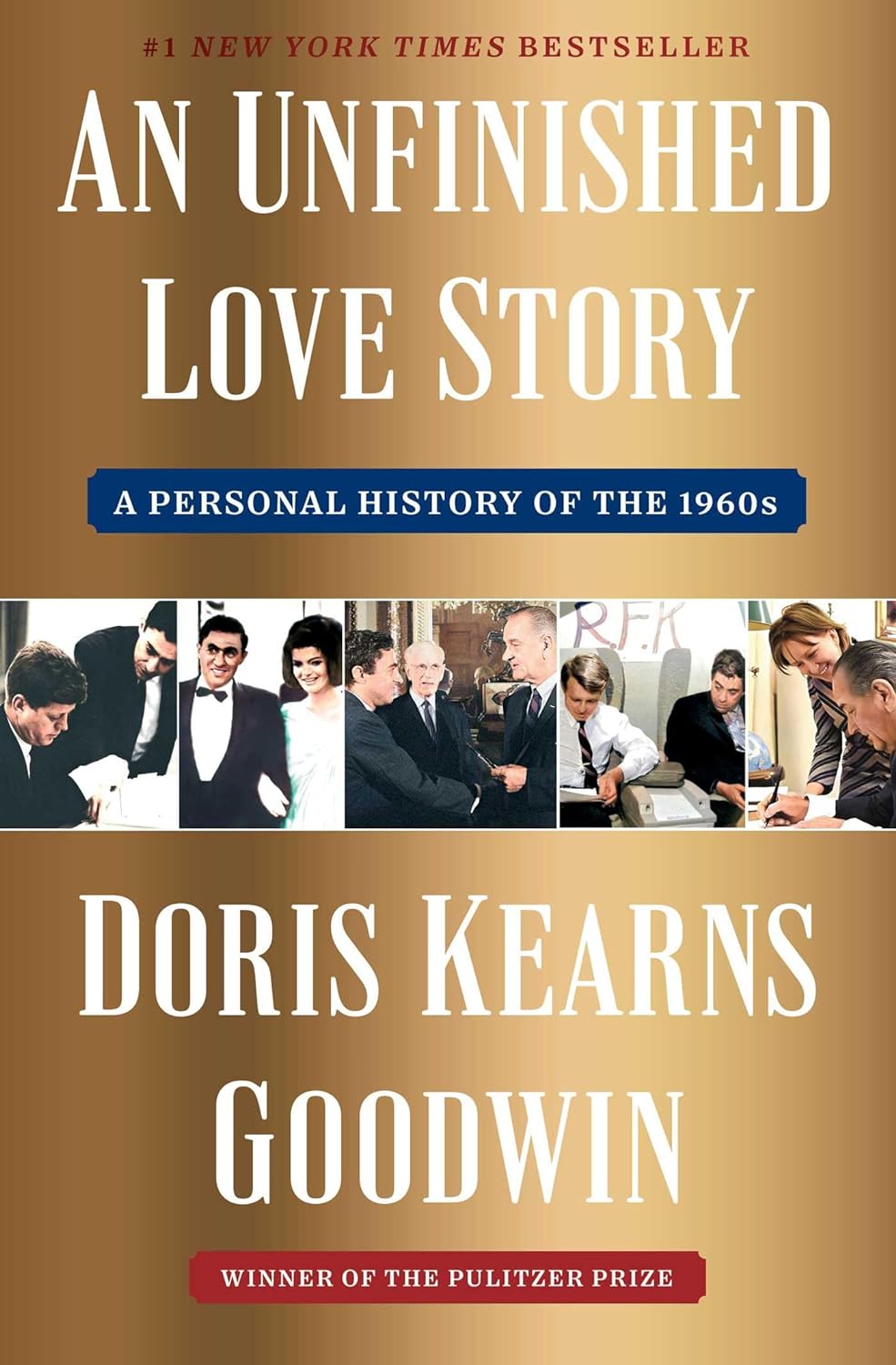
The wonderful historian Doris Kearns married the wonderful presidential speech writer Richard Goodwin and they had a wonderful marriage. During the last two years before his death they went through dozens of boxes of his political memorabilia from the time he worked for John F. Kennedy, Eugene McCarthy, Lyndon Johnson, and Robert Kennedy. An Unfinished Love Story, as the subtitle suggests, provides a history of the 1960s from her and his perspectives. I highly recommend the Audible.com version of this book because it contains recordings of several famous speeches by Johnson and the two Kennedys, speeches that Goodwin had written. The book is rated 4.8 out of 5.0 on Audible.com, tied with the highest-rated books I have seen at that website.
Shirin Sinnar, William W. and Gertrude H. Saunders, Professor of Law, recommends Sea of Poppies by Amitav Ghosh, and Something About Living by Lena Khalaf Tuffaha

I’m mesmerized by novelist Amitav Ghosh’s Ibis trilogy, beginning with Sea of Poppies, which takes us into a polyglot world of farmers, opium traders, imperialists, and laborers in the Indian Ocean region during the years leading up to the Opium Wars. It’s based on Ghosh’s extensive historical research into the opium trade between Britain, China, and colonial India during that time and illuminates a world I knew little about but which has left its mark on the region in so many ways. I’m also captivated by Palestinian American poet Lena Khalaf Tuffaha’s collection Something About Living, winner of this year’s National Book Award for Poetry, with its poignant critiques of how we use and censor language in the face of violence and oppression (as in her poem, “Notes from the Civil Discourse Committee”).
David A. Sklansky, Stanley Morrison Professor of Law and Faculty Co-Director, Stanford Criminal Justice Center, recommends James by Percival Everett
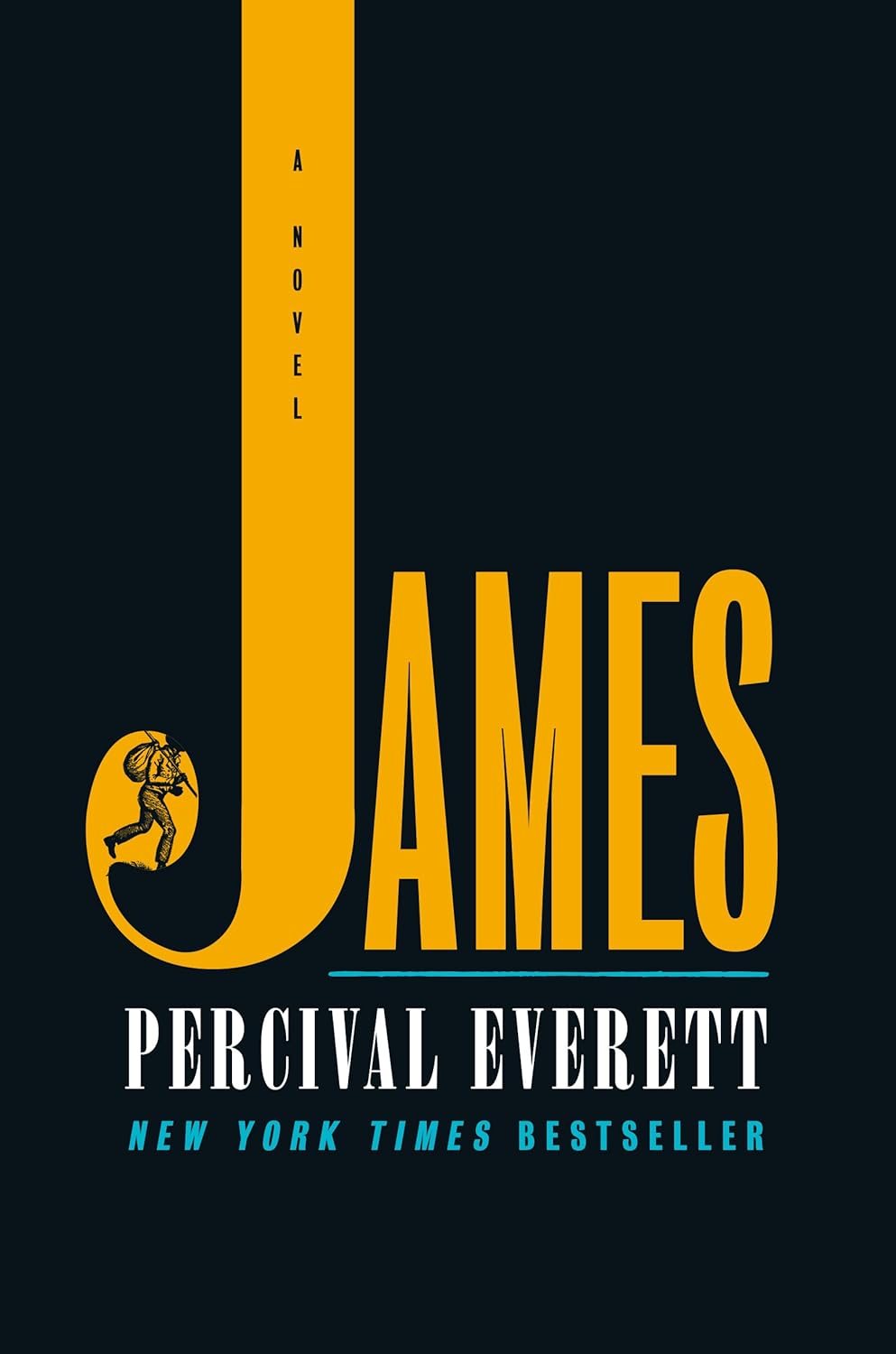
It’s hard for me to recommend Percival Everett’s novel, James, highly enough. Even by the standards of the National Book Award, which the novel just won, James is a rare masterpiece. It’s a retelling of Huckleberry Finn from the perspective of Jim, but it’s also much more than that: a gripping adventure (with infinitely higher stakes than Huck’s), a searing account of the horrors of slavery, and a brilliant meditation on language and storytelling. It’s utterly unforgettable.
Rachel Louise Snyder, Visiting Professor of Law, recommends Murderland by Caroline Fraser, Recoding America by Jennifer Pahlka, and The Throne of the Third Heaven of the Nations Millennium General Assembly by Denis Johnson

I have the enviable problem of receiving a lot of ARCs (Advance Reader’s Copy, in publishing parlance) and I’m reading an incredible book right now that you might want to look out for. Murderland: Crime and Bloodlust In the Time of Serial Killers has an unfortunate title, but is nevertheless, riveting. An expansive tome by Pulitzer Prize-winning journalist Caroline Fraser, the book dives into the lives of several serial killers from the Pacific Northwest—Ted Bundy, Charles Manson, Gary Ridgway (the Green River Killer), and others. What are the chances, she asks, that these men would all come from the same geographical area, and all roughly around the same time? Through their stories, Fraser uncovers a deeper, more disturbing possibility: that the environmental hazards in the area were so overwhelmingly destructive—the land so laden with poisons from lead, copper and smelt mining—that hundreds of thousands of people were sickened, including serious and significant neurological and cognitive effects. Could this environmental devastation explain the unusually high number of serial killers from the region? For fans of Erik Larson (The Devil in the White City, Isaac’s Storm, etc.), this book will be astonishing. Look for it in March 2025.
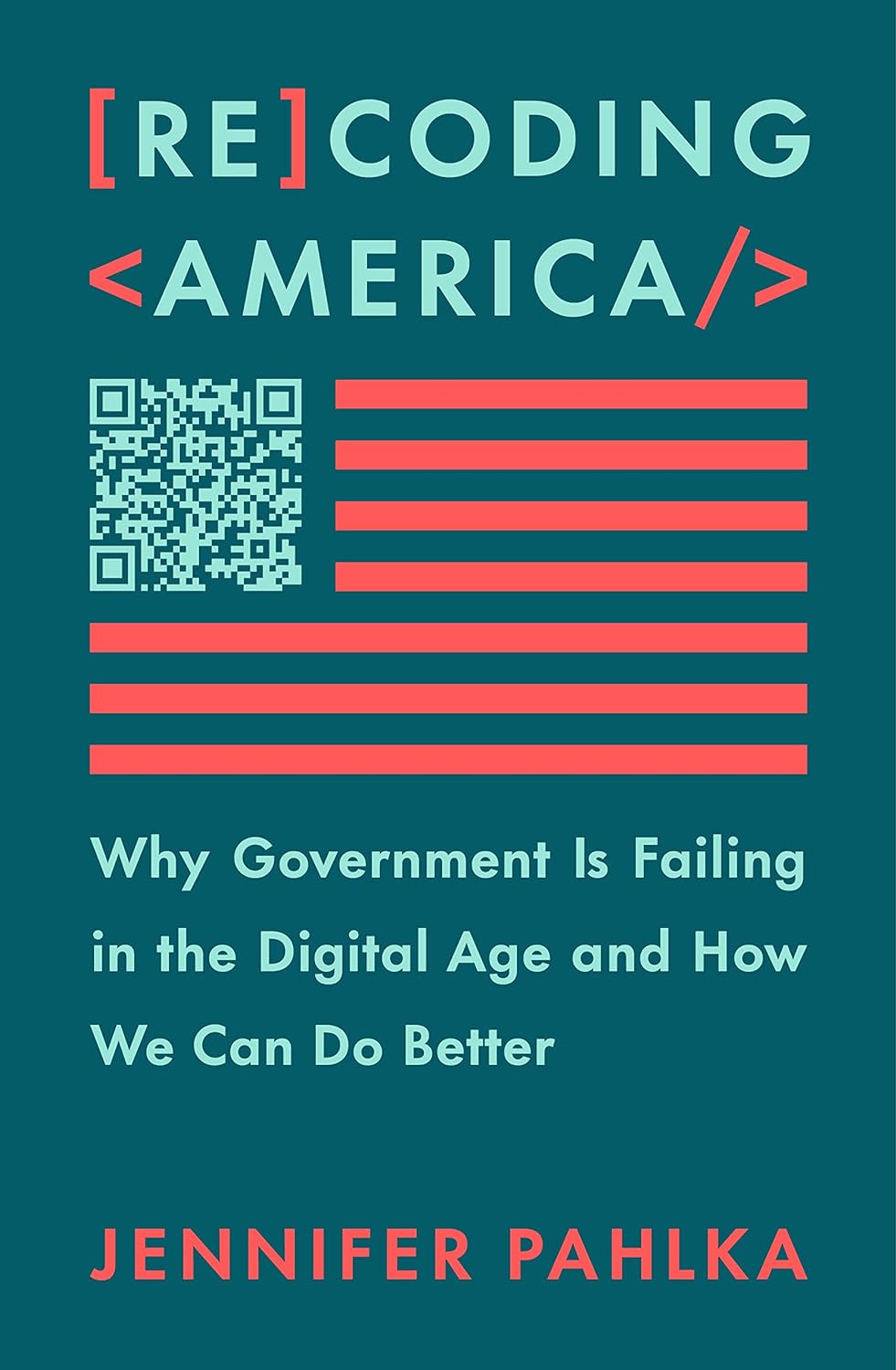
Bureaucracy and government don’t generally make for a gripping read, but Jen Pahlka brings them to life in Recoding America: Why Government is Failing in the Digital Age and How We Can Do Better. It is neither polemic nor preachy, but rather looks at the ways government is stuck in a post-industrial policy mindset, and what we can to make it work better for more people while also making it more efficient and nimble. I can’t think of any other book that really praises the quiet and heroic efforts of federal bureaucrats in a way that is authentic and—to be honest—even a little charming. Healthcare, criminal records, climate change—there’s a little something for the wonk in all of us. Ezra Klein has called it the best book on policy he’s ever read (and you can listen to a recent interview he did with Jen here ).
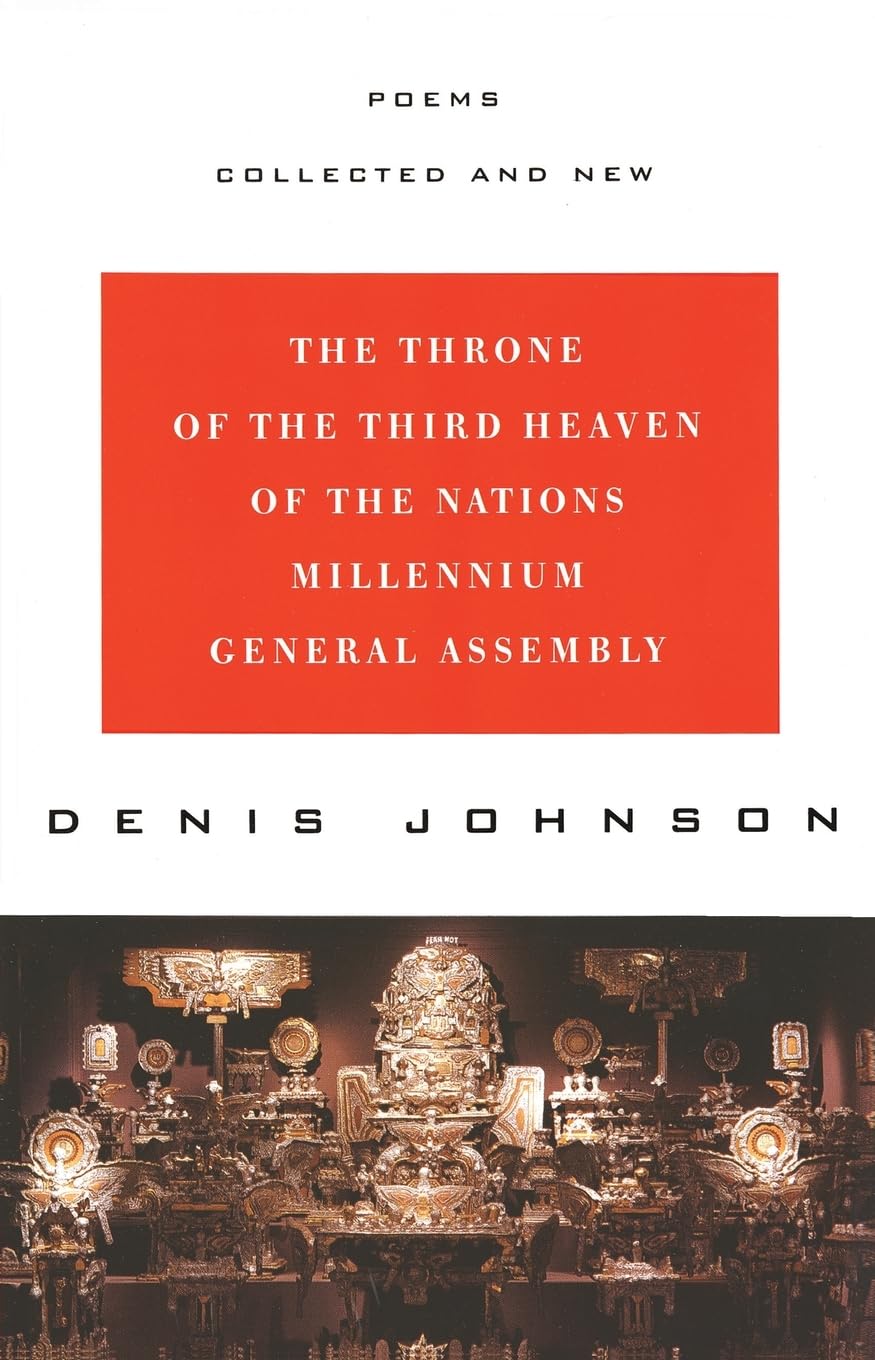
Finally, I’m never going to bypass an opportunity to suggest poetry. The law can tell us what people did and when, but poetry can tell us why. I’m going to recommend anything by Denis Johnson, but if you’re not ready to commit, you can start with just a couple of his poems here. If you get hooked, his best collection in my view is The Throne of the Third Heaven of the Nations Millennium General Assembly: Poems Collected and New. An accolade of Raymond Carver, Johnson—who died far too young, in 2017—is probably best known for his novel Jesus’ Son, but I think his poetry speaks to a desire and despair that we all might recognize.
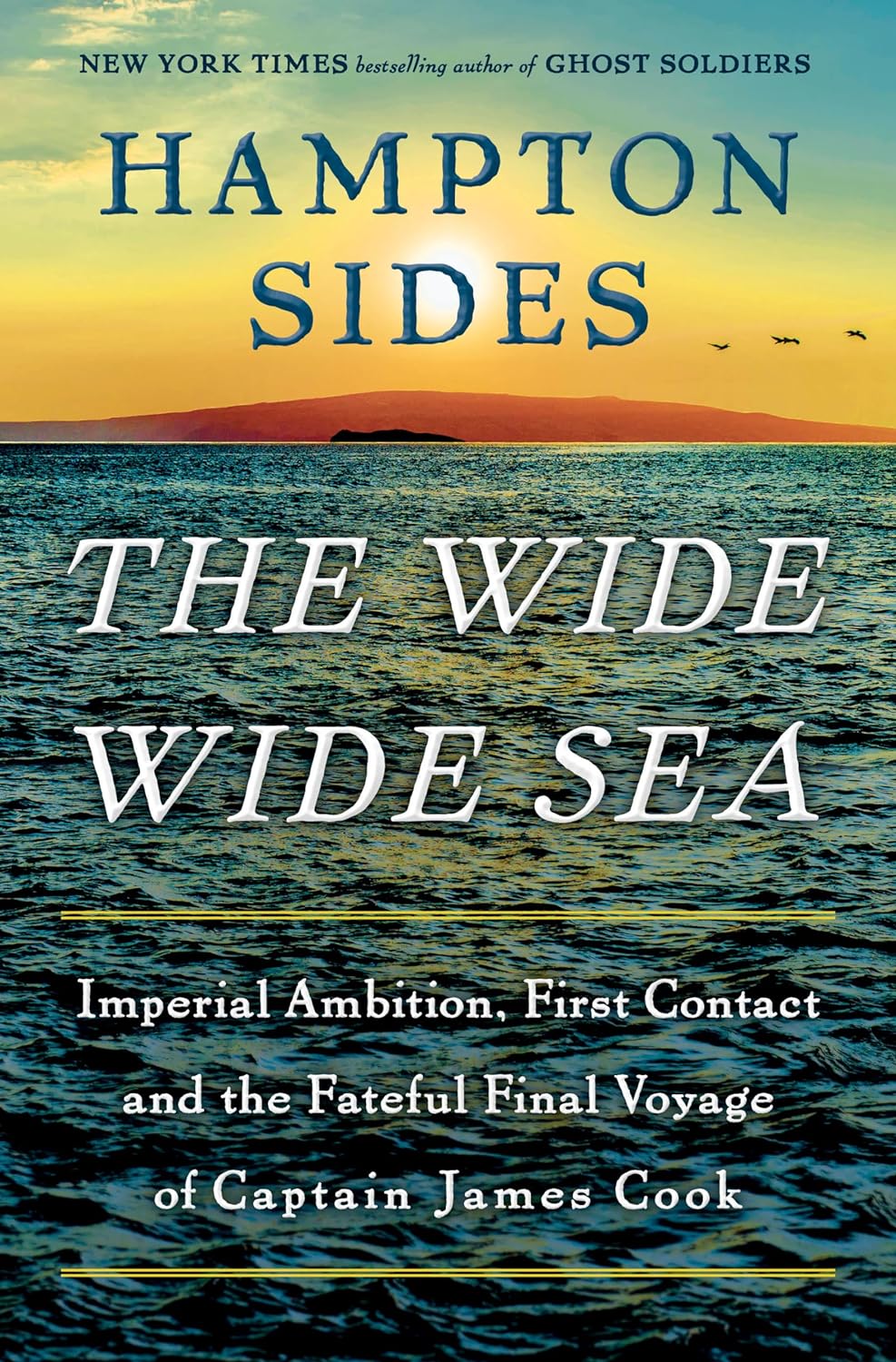
David M. Studdert, Professor of Law, Professor of Health Policy, Vice Provost and Dean of Research, recommends The Wide Wide Sea by Hampton Sides
The Wide Wide Sea is a well-researched account of Captain Cook’s last voyage.
Barton H. “Buzz” Thompson, Jr., Robert E. Paradise Professor of Natural Resources Law, recommends Continental Reckoning by Elliott West
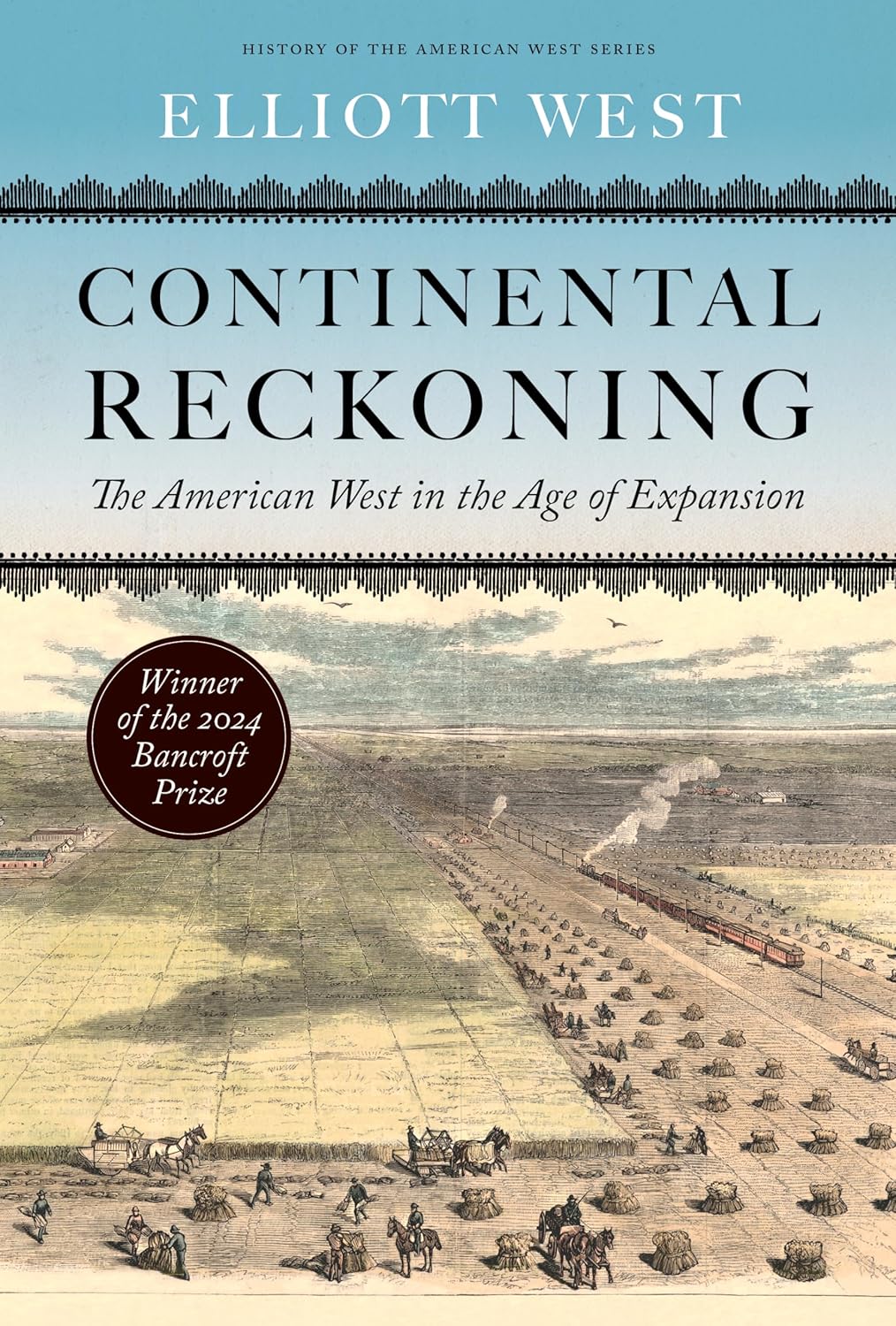
I was in the mood for a sprawling history of the American West and found it in this recent winner of the Bancroft Prize in American History (and finalist for the 2024 Pulitzer Prize in History). Continental Reckoning describes how the American West constructed itself and, in the process, reconstructed the nation as a whole and destroyed the cultures and institutions of the Native American nations that had preceded both. The book covers both the familiar (the building of the transcontinental telegraph system and railroad) and the less familiar (the immense cartographical, geological, zoological, paleontological, and ethnological advances that came out of 19th century efforts by the U.S. to understand the West and integrate it into the rest of the nation).
Allen S. Weiner, Senior Lecturer in Law, recommends They Can Live in the Desert but Nowhere Else by Ronald Grigor Suny

It is not a new book, but in preparation for a trip I made earlier this year to the Southern Caucasus, I read Suny’s powerful history of the Armenian genocide in the Ottoman Empire/modern day Turkey during World War I. They Can Live in the Desert but Nowhere Else is a rich and detailed account of a very dark episode in 20th century history, one that continues to have major reverberations in the region today. I was particularly impressed by the many contemporaneous documents, produced by organizers of, participants in, and witnesses to the genocide, that Suny has found and presents.
Elizabeth Hidalgo Reese Yunpoví, Assistant Professor of Law, recommends This Land by Ashley Fairbanks, Coming Home by Mavasta Honyouti, and Stitches of Tradition by Marcie Rendon
I’m expecting my first child this Spring, so I’m reading stocking up on kids books. Lucky for me, my mom is one of the nation’s experts on Native American kids books. Her work has helped transform the children’s book industry by promoting more Native authors telling real stories about our lives. When I was growing up, school library shelves were filled with non-Native authors telling stories about Indian savages or romantic mystical Natives who are ‘one-with-nature.’ It was so confusing for my little developing brain! Indians in books and movies seemed like make-believe wild creatures, not real people like me and my family. I’m so excited that my daughter’s childhood will be filled with awesome books she can see herself in rather than ones that make her feel bad or confused about who she is or what Native people are. So this year I’m recommending some of the awesome kids books we are stocking up on for those of you with little ones or who have little ones on your gift list this year. For more recommendations, check out my Mom’s blog: American Indians in Children’s Literature.
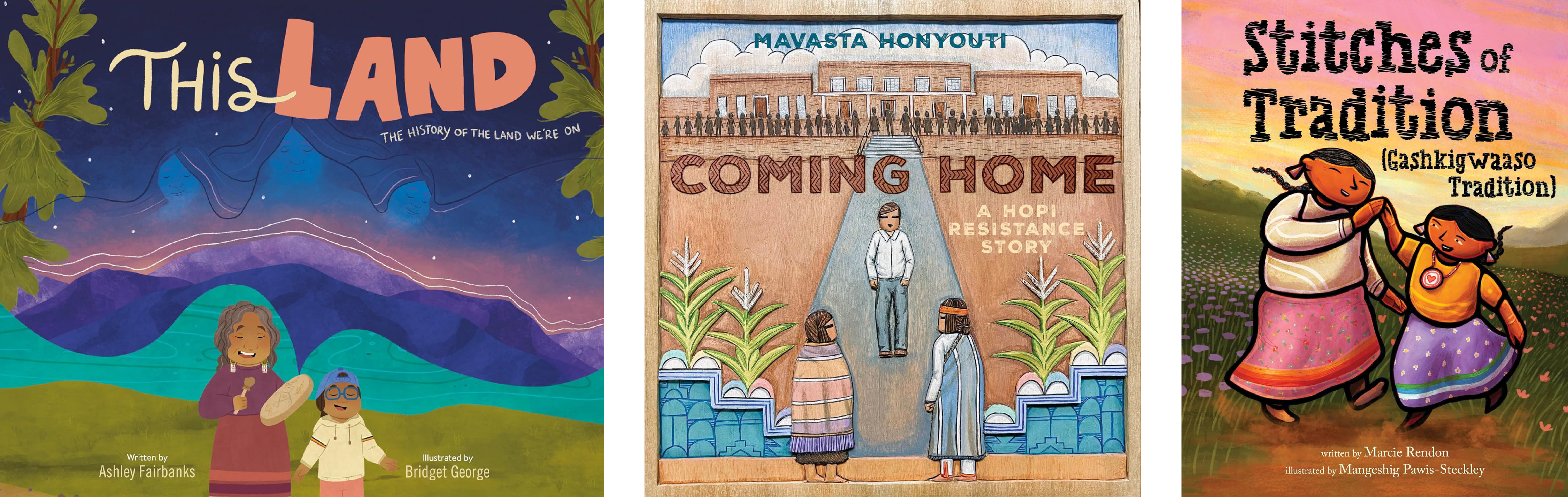
This Land by Ashley Fairbanks is a lovely story about the history of different parts of American to help kids think about the Native peoples that used to live their lives on land that is now everything from Times Square to Disney World. I think this really helps kids think about the history of the land they are on—and history period—in a more complex way.
Coming Home by Mavasta Honyouti is a really timely and powerful story about surviving Indian Boarding Schools. A lot of people are just learning about this part of American history—when the U.S. government forcibly took Native children to boarding schools meant to destroy their identities and sever ties with their families—since President Biden apologized for these schools this Fall. This book is a true story about the author learning about what his Grandfather went through. I co-teach a policy lab where our law students work with the Hopi Tribal Court system, and so I’m extra excited to share a Hopi book this year.
Finally, Stitches of Tradition by Marcie Rendon is such a heartwarming book about all the love an Ojibwe Grandmother puts into making traditional clothes for her granddaughter. It brings back a lot of sweet memories for me of my grandmother, who is busy making a baby blanket for my future just across the room as I’m writing this recommendation.