
FutureLaw: Criminal Justice
As we continue to preview the panels at the May 20 CodeX FutureLaw Conference, the next panel is “The Role of Technologist in Reforming the Criminal Justice System. It addresses the questions of “What data can/should judges and prosecutors use to determine who should be charged, who should get out of prison, and how to minimize recidivism? What are best practices for structuring analytics to provide greater transparency into police conduct?” the organizers note. “How can the government leverage technologist in academia to further it’s policy goals? Collection, use and storage of police data.”
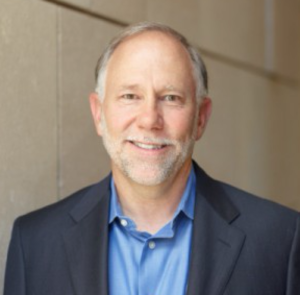
Moderating the hour-long presentation, which starts at 3:15 p.m., is Professor Phil Malone, who joined the Stanford Law School’s faculty in 2013, “as the inaugural director of the Juelsgaard Intellectual Property and Innovation Clinic of the Mills Legal Clinic and professor of law,”he notes. Malone, who focuses on IP, innovation and cyberlaw, previously was at Harvard Law School, as a Clinical Professor at Law and Director of the Cyberlaw Clinic at the Berkman Center for Internet & Society. @Phillip_Malone

Speakers:
• Christine DeBerry is Chief of Staff for San Francisco District Attorney George Gascon. “She has assisted the D.A. with his efforts to increase public safety without increasing the jail population,” she notes in her bio.
• Justin Erlich is Special Assistant Attorney General to California Attorney General Kamala Harris, where he “oversees the DoJ’s involvement in policy issues such as open data, privacy, cybersecurity, the sharing economy, and clean tech,” he notes in his bio. He is driving “OpenJustice, an internal research capacity, an innovation unit, a digital citizen engagement strategy and a digital forensics/cyber accelerator.” @JAErlich
• Sharad Goel, Assistant Professor at Stanford in the Department of Management Science & Engineering and, by courtesy, Computer Science and Sociology. @5harad
• Kathryn Haun is a federal prosecutor with the U.S. Department of Justice and is its Digital Currency Crimes Coordinator. Since 2006, she has served as an Assistant U.S. Attorney, first in the District of Columbia area and later in San Francisco. She has focused on organized crime syndicates, cybercrime and national security, the Dark Net, digital currency and the blockchain.

• Jenny Kim is the Deputy General Counsel—Political Law and Public Policy for Koch Companies Public Sector. She manages political law and public policy issues, including developing and implementing compliance programs across Koch companies. She also serves on the Board of Directors for the Coalition for Public Safety and US Justice Action Network – both organizations advocate for criminal justice reform.
PREVIEW LINKS
9 a.m. introductions and welcomes by SLS Dean Elizabeth Magill and CodeX Executive Director Roland Vogl.
9:15 a.m.: “FutureLaw: Don’t Be Late.” Keynote: James Sandman.
10:15 a.m.: “FutureLaw: Watson & Beyond.”
11:20 a.m.: “Introduction to U.K.’s Alternative Business Structure by Eddie Hartman.”
11:40 a.m.: “Computational Law Update.”
1:15 p.m.: “Moot Court 2020: Legal Tech on Trial.“
2 p.m. “Three Breakout Sessions.”
ALSO
• “FutureLaw: Roland Vogl on Law Technology Now”
FUTURELAW LINKS
For more info about the May 20 CodeX FutureLaw Conference check out these sites:
• FutureLaw Conference 2016
• Registration
• Agenda
• Speakers
• Location & Parking
Monica Bay is a Fellow at CodeX and a freelance journalist and analyst. She is a member of the California bar. Email: mbay@codex.stanford.edu. Twitter: @MonicaBay.
Cover image: Clipart.com.