
American Indian & Indigenous Law
The United States has 574 federally recognized American Indian tribes – each a unique sovereign nation, governed by their own sets of laws and systems of justice. While America’s state and federal courts have, at times, been the tools of colonial dispossession, tribes have also repeatedly used the American legal system to affirm tribal sovereignty, vindicate the rights of Native peoples, and protect their lands. And increasingly, attorneys encounter or represent tribal entities—no matter their area of practice—and must be prepared to navigate complex legal issues.
Stanford Law School offers a unique blend of academic opportunities and hands-on training to equip students with the knowledge and skills to be effective tribal partners and top-notch advocates for Indian Country. The law school faculty includes two renowned scholars in Indian Law: Gregory Ablavsky and Elizabeth Hidalgo Reese. Professors Ablavsky and Hidalgo Reese teach a variety of courses in Indian law and work closely with students on research at the cutting edge of the field and with meaningful impact on the most urgent questions confronting tribal governments and Indian law practitioners. Clinical programs, policy labs, and pro bono opportunities connect students directly to tribal clients, where they can practice effective collaboration.
Indigenous members of the law school student, faculty, and staff are also a part of Stanford University’s vibrant and diverse Native community. The Native American Studies Program within the Center for Comparative Studies in Race and Ethnicity at Stanford offers additional courses available to law students. Finally, Stanford University’s Native American Cultural Center is a large and historic hub for Native peoples—supporting approximately 400 undergraduate and 100 graduate students who identify as Indigenous and represent 50 nations and islands. The NACC provides a wide variety of programming to support students, and houses peacemaking programming, Indigenous language courses, and as well as countless student-run organizations.
American Indian and Indigenous Law at Stanford Law School

Courses
Clinics, Programs and Centers
Events
Faculty, Alumni and Student Stories


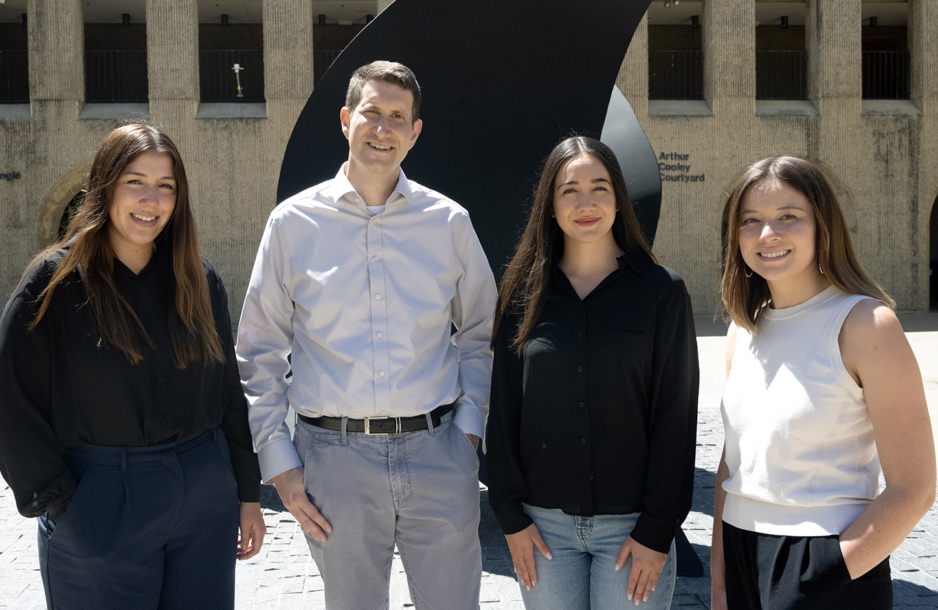
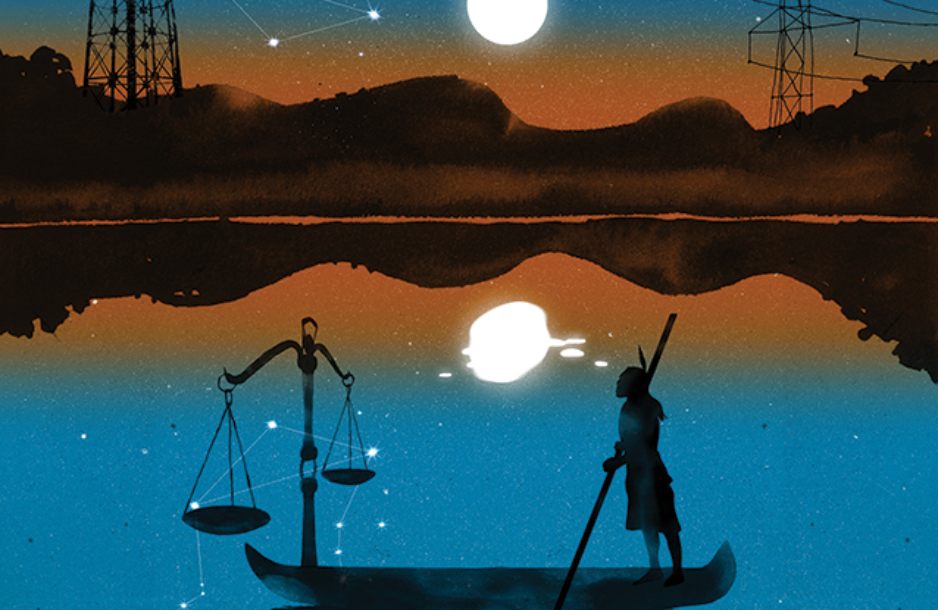

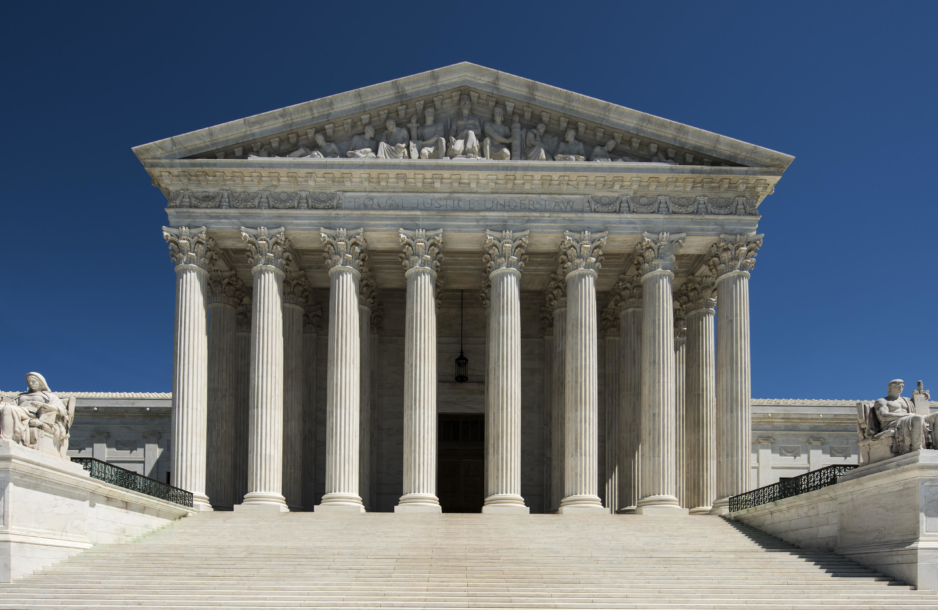
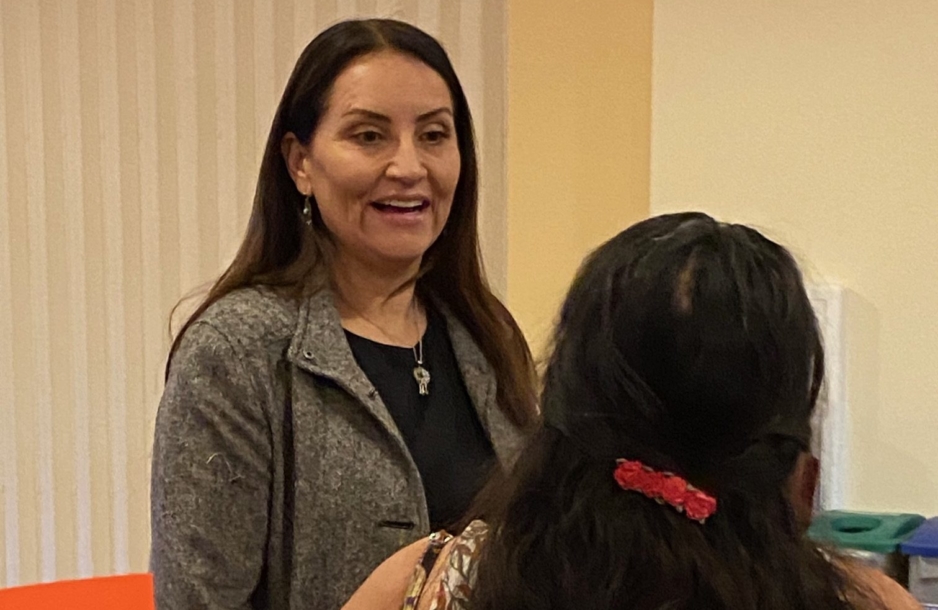
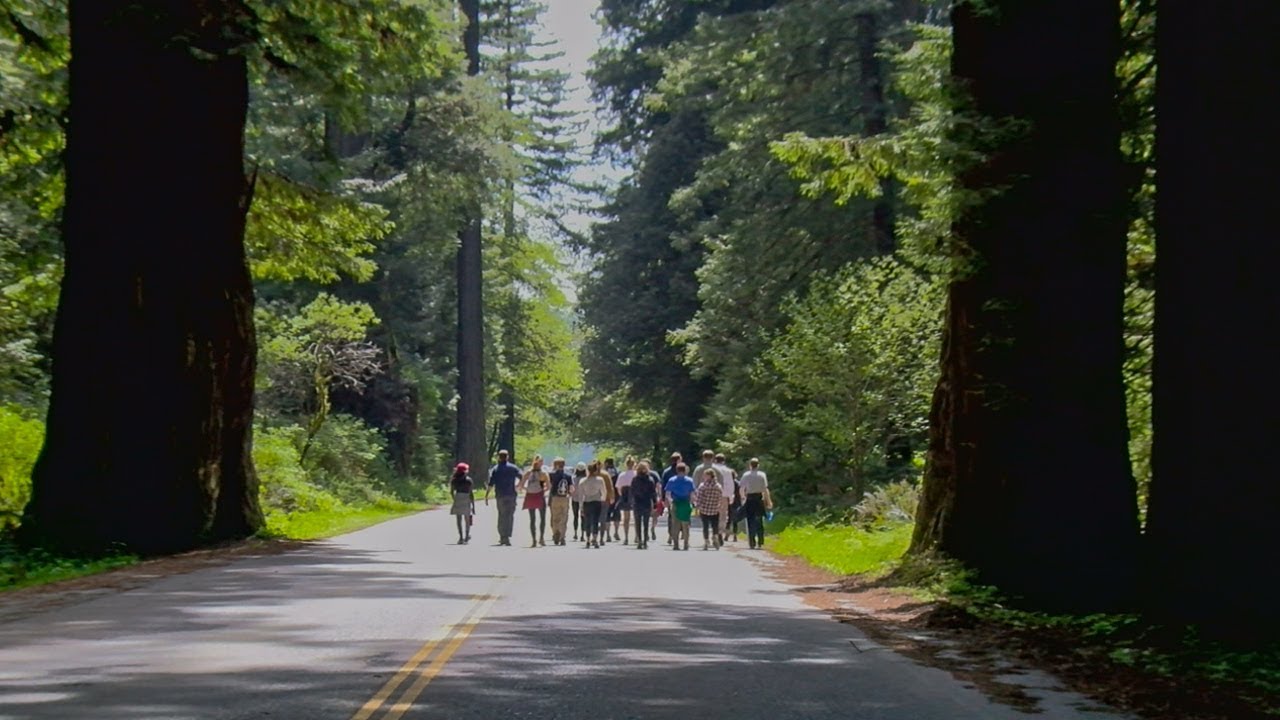
Stanford Law students work with and learn from Yurok tribal leaders
In the News
Justice Gorsuch and what is owed to American Indians
SCOTUSblog
First, it is certainly plausible that Gorsuch’s Colorado roots, and his experiences concerning American Indians, may play some role in this aspect of his jurisprudence. But there are plenty of judges from the West who do not share Gorsuch’s stance regarding American Indians. (Nor, as Gregory Ablavsky has pointed out, have other justices…
Read More : Justice Gorsuch and what is owed to American IndiansI have a right to be here,’ says Cree woman living in U.S. under Jay Treaty
Trump's attempt to overturn birthright citizenship uses century-old Native American case
Approval of Koi Nation casino near Windsor built on obscure rule of tribal law
An Oregon tribe’s casino bid sparks furor over what land tribes can rightfully call home