

Humanitarian Notification Systems
The Problem
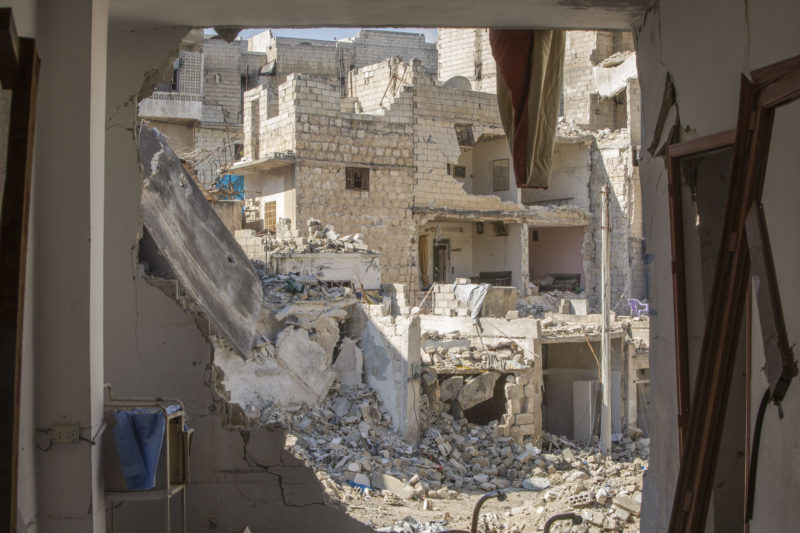
Humanitarian notification systems (HNS) provide communication pathways for humanitarians to notify participating warring parties of their activities in conflict settings. Ideally, participating warring parties use this information to avoid or minimize harm to humanitarians during their war-time operations. Notification systems have been stood up in different conflicts such as Afghanistan, Yemen, Syria, and most recently in Ukraine, often with varying technologies and ad hoc rules. Many policy and technological challenges have arisen across these ad hoc humanitarian notification systems, coinciding with large numbers of reported attacks against humanitarians working in conflict areas, including the widely-publicized attacks against schools and hospitals in Syria. Though humanitarian notification systems are meant to protect humanitarians serving conflict areas, many have criticized these systems for failing to do so.
Our Work
This work was completed in January 2023 and our final deliverable, a Guidebook on HNS, was submitted to USAID. Our team supported the development and implementation of a prototype for a new humanitarian notification system. The prototype seeks to facilitate timely, accurate, and up-to-date notifications, making it easier for parties to an armed conflict to incorporate notifications into their own systems and creating an indelible record of these notifications in the event of dispute or an alleged strike against a notified party. In addition to relevant policy and legal memoranda geared towards successful implementation of HNS, our team worked with collaborators to write a corresponding Guidebook on HNS, leveraging engagement with the humanitarian community to address key legal and policy issues affecting successful implementation of an HNS.
If it is adopted in future conflict settings, the new HNS prototype and associated Guidebook can serve to improve the protection of humanitarians working in conflict areas and the civilians they serve.

Our Collaborators
Our work was conducted in collaboration with MIT’s Lincoln Laboratory, the Center for Naval Analysis (CNA), and the U.S. Agency for International Development (USAID).