
Sustainable & Humane Food Systems
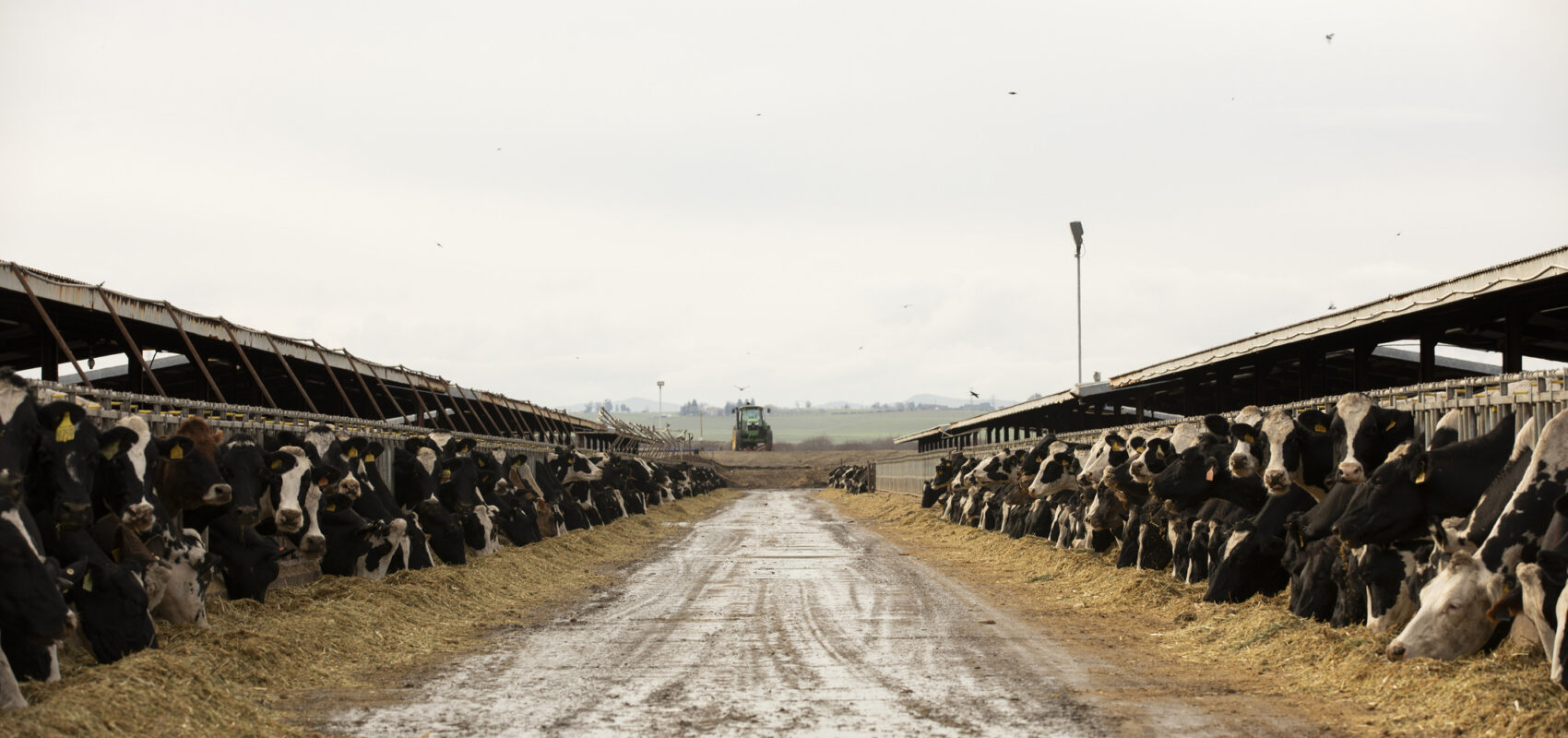
Our Sustainable and Humane Food Systems initiative — a collaboration between the Environmental and Natural Resources Law & Policy Program and the Climate and Energy Policy Program — seeks to address the environmental and public health impacts associated with industrial animal agriculture through a combination of technical and policy research, cross-campus partnerships, and community engagement.
New Paper Analyzes Water Permitting for Confined Animal Facilities in California
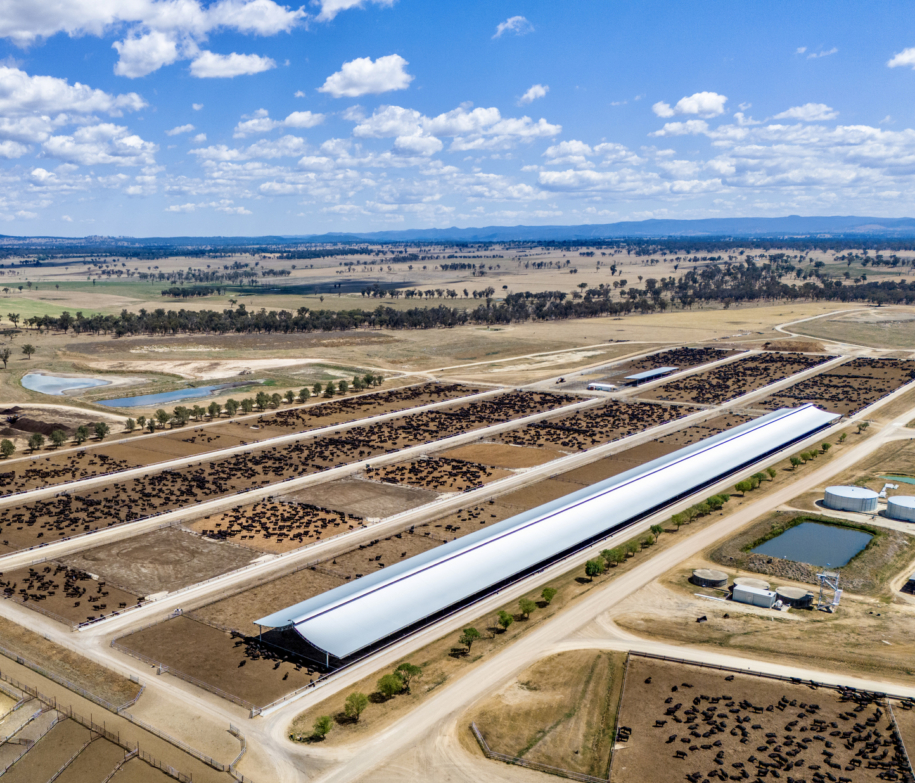
California is home to a significant proportion of the confined animal facilities (CAFs) in the United States, including more large commercial dairies than any other state. These facilities produce millions of pounds of manure each year. If not properly managed, this waste can pollute surface water, contaminate groundwater, and precipitate algal blooms, resulting in potentially severe human health consequences and long-term environmental damage. The Environmental and Natural Resources Law & Policy Program, in collaboration with the Climate and Energy Policy Program, released a white paper in February 2026 detailing California’s failure to adequately monitor and oversee CAFs under the Porter Cologne Water Quality Control Act (Porter-Cologne Act), California’s equivalent to the Clean Water Act.
In the News

Industrial Animal Agriculture Dashboard
The Industrial Animal Agricultural Dashboard shows several interactive maps of Confined Animal Facilities (CAFs) across California, as well as related maps of animal housing structures, crop types, particulate matter (PM) pollution, well nitrate concentrations, and poverty rates.
The dashboard also includes time series analysis of California cattle population over time and a manure accounting for Central Valley dairy facilities in 2024.
Crying Over Spilt Milk: Controlling H5N1 in California Dairies
In Spring 2025, Stanford Law School led an interdisciplinary policy lab in response to the rise in zoonotic disease threats, animal welfare concerns, and California Central Valley community member alarm around Highly Pathogenic Avian Influenza Type A (H5N1). This report explains the scientific and regulatory landscape for zoonotic disease management and how these systems were — and were not — effective at managing H5N1 in California dairies. The paper also details a series of recommendations for community organizers, farmers, and policy makers.
Read the Report : Crying Over Spilt Milk: Controlling H5N1 in California Dairies
Student Work
Veterinary Perspectives: Antimicrobial Resistance in the California Dairy Industry
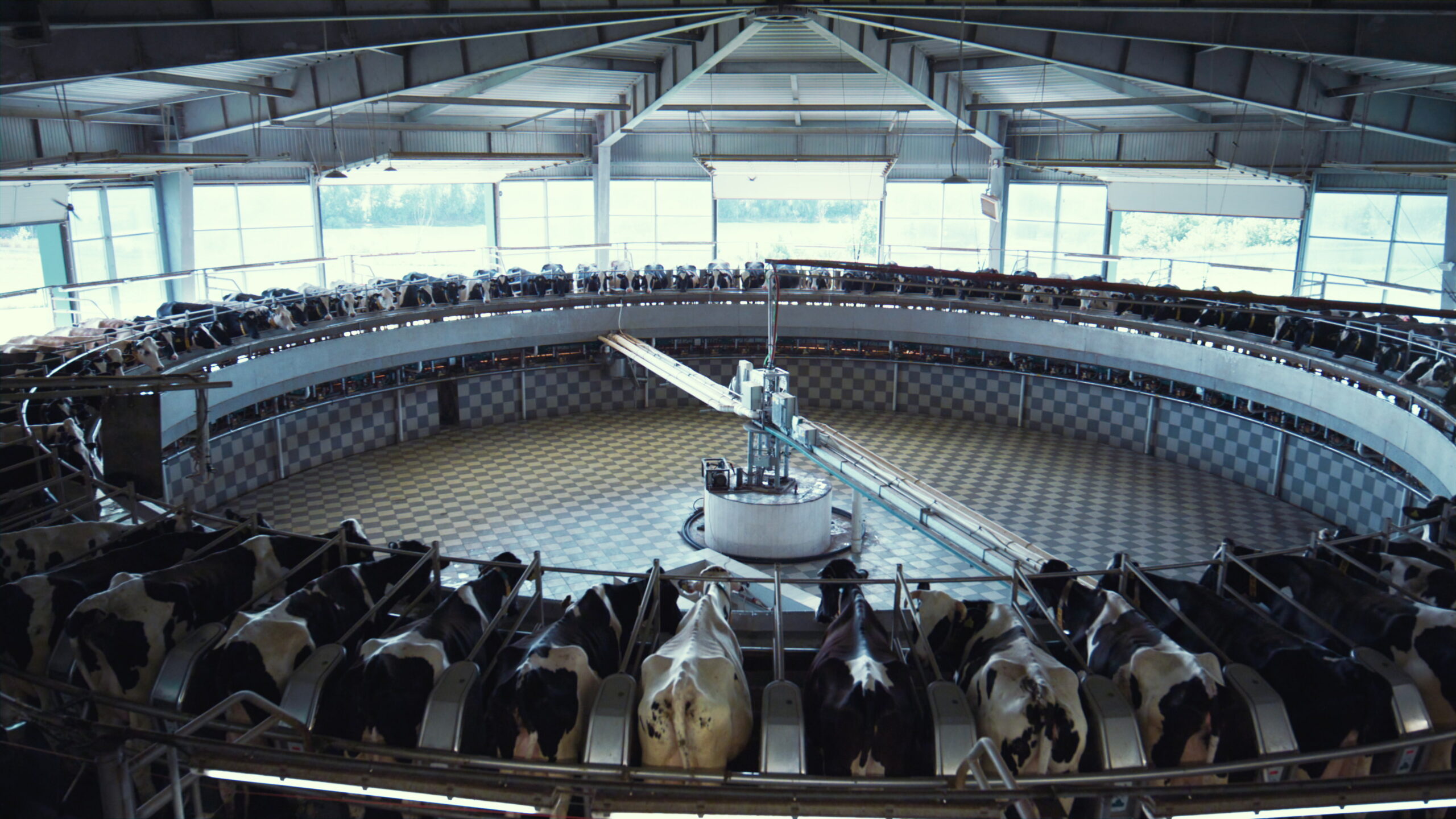
Stanford student Chloe Chan has produced a storymap based on interviews with expert academics, practicing veterinarians, and industry advocates to gain a better understanding of veterinary perspectives on how antibiotics are used and administered in dairy cattle and the systemic pressures that shape those decisions. Antimicrobial drugs are widely used in food animal production to treat, control, and prevent bacterial diseases, but their use can contribute to antimicrobial resistance, which is a growing concern for both human and animal health. Check out the StoryMap here.
Reducing Animal-to-Human Disease Spread
The recent H5N1 outbreak infected over 70 percent of California dairies and resulted in 37 confirmed cases in dairy farmworkers. This is the latest in a long history of animal-to-human disease spread, highlighting an unsolved, recurring, and urgent zoonosis threat. This policy brief, drafted by Stanford student Jordan Stock and submitted to Assemblymember Kalra’s office, recommends revising the California Health and Safety Code to require biosecurity plan submission to the California Department of Public Health, regardless of outbreak status. Preemptive submission expands public transparency without adding a costly or time-intensive burden to resource-limited agencies. Read the Policy Brief here.
Curbing Methane Emissions from Animal Agriculture
In 2026, the California Air Resources Board (CARB) solicited comments on the implementation of SB 1383, legislation designed to curb methane emissions originating from animal agriculture. SLS student Zoe Robertson (JD ’26) submitted a comment letter imploring CARB to consider developing air quality regulation in coordination with the State Water Resources Control Board to ensure that air quality regulation does not come at the expense of state water quality. Read the Comment Letter here.