
Stanford Program in Law, Science & Technology
The Stanford Program in Law, Science & Technology (LST) combines the resources of Stanford Law School—including renowned faculty experts, alumni practicing on the cutting edge of technology law, technologically savvy and enthusiastic students, and a location in the heart of Silicon Valley—to address the many questions arising from the increasingly prominent role that science and technology play in both national and global arenas. The program acts to help students, legal professionals, businesspeople, government officials, and the public at large to identify those questions and find innovative answers to them.
The program seeks to:
- Give every Stanford Law student the opportunity to address these issues through innovative coursework, in preparation for practice at the highest level of law’s intersections with science and technology.
- Raise professional understanding and public awareness of technical and ethical challenges.
- Promote informed public policies on science and technology in national and global arenas.
- Contribute to the international exchange of ideas in the field of Law, Science, and Technology.
To learn more about law, science, and technology-related events taking place at the law school, at Stanford University, and in the Silicon Valley, subscribe to the Law, Science & Technology e-mail list.




Clinic
The Juelsgaard Intellectual Property and Innovation Clinic provides an opportunity for students to advocate on behalf of clients for the development and application of intellectual property law and regulatory policies that maximize the underlying goals of those laws and regulations: promoting innovation, creativity and generativity. Students represent important stakeholders such as national and regional non-profit organizations; associations of innovators, entrepreneurs, technology users and consumers; groups of technologists or legal academics; and occasionally individual inventors, start-ups, journalists, or researchers.
learn more : ClinicProject
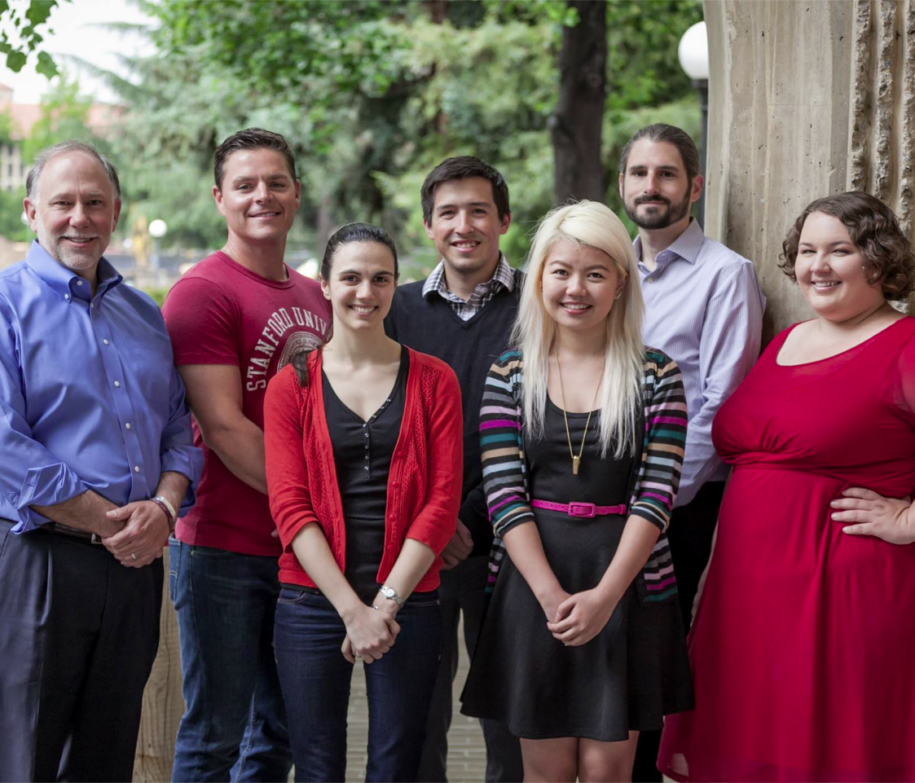
The Stanford Non-Practicing Entity (NPE) Litigation Dataset (the Dataset) is the first ever publicly available database to track comprehensively how practicing entities, non-practicing entities (NPEs), and patent assertion entities (PAEs) claim patent ownership rights in litigation. NPEs do not make products or offer services while PAEs—often referred to as “patent trolls” — employ patents primarily to obtain license fees, rather than support the transfer or commercialization of technology. Critics have come to believe that steadily increasing PAE enforcement activity, including litigation, is harming innovation and serving as a tax on producers and consumers. Stanford Law student researchers tracked every lawsuit filed in U.S. district courts from 2000 to 2015 and identified each patent plaintiff as either a practicing entity or as one of eleven types of NPEs. The full Dataset of 55,000 lawsuits becomes publicly available in late 2017 and will continue to be updated with recent and future cases. The currently available compilation represents a 20% random sample of over 10,800 lawsuits filed from 2000 to 2015.
learn more : Project
Degrees
Joint Degrees
Law and BioengineeringLaw and Computer ScienceLaw and Electrical EngineeringLaw and Management Science and Engineering
Advanced Degrees for International Students








News
AI beginning to crowd out young Koreans from elite professions
AJP
Mark A. Lemley of Stanford Law School said AI adoption in U.S. legal practice has already expanded rapidly, with litigators using it to draft briefs and corporate lawyers to prepare contracts. But he warned of growing risks tied to AI errors. “We have seen over 800 cases in which lawyers…
Read More : AI beginning to crowd out young Koreans from elite professionsSenate Republican AI proposal at odds with White House on copyright, liability
Online liability shield still a lightning rod after 30 years
Apple Watch Patent Rulings Reflect Force, Failings of Import Ban
A Billionaire-Backed Startup Wants to Grow 'Organ Sacks' to Replace Animal Testing
As Brain Organoid Science Grows More Complex, So Do the Questions
LST Blogs
When Claude Code Meets Apple’s App Store
Apple's App Store submission is one of the more demanding gatekeeping mechanisms in consumer software. It requires accurate privacy disclosures, published security standards, measurable performance and accessibility thresholds, and design compliance reviewed by human reviewers. With Artificial General Intelligence (AGI) claims refusing to die, I decided to take a look…
Read More : When Claude Code Meets Apple’s App StoreWhen the Medium Becomes the Message and the Message Becomes Irrelevant
Architectural Negligence: What the Meta Verdicts Mean for OpenAI in the Nippon Life Case
The Paraguayan Competition Authority Joins the Stanford Computational Antitrust Project
Email-Based AI Agents for Law Firms - Mixus | Stanford CodeX Group Meeting 3.19.2026