Supreme Court Litigation Clinic


Overview
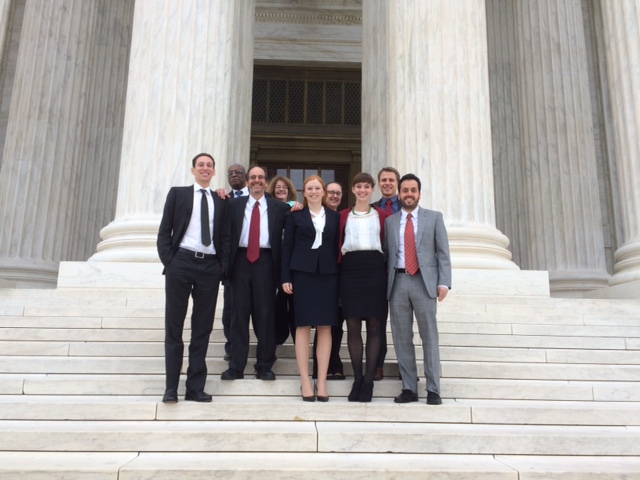
Stanford’s Supreme Court Litigation Clinic—the first of its kind at any law school—gives students intensive exposure to a realm few lawyers experience in their careers: the Supreme Court of the United States. Under the direction of three faculty members, who collectively have argued dozens of Supreme Court cases and have worked on hundreds more in various capacities, clinic members work on real Supreme Court cases, representing parties and amici.
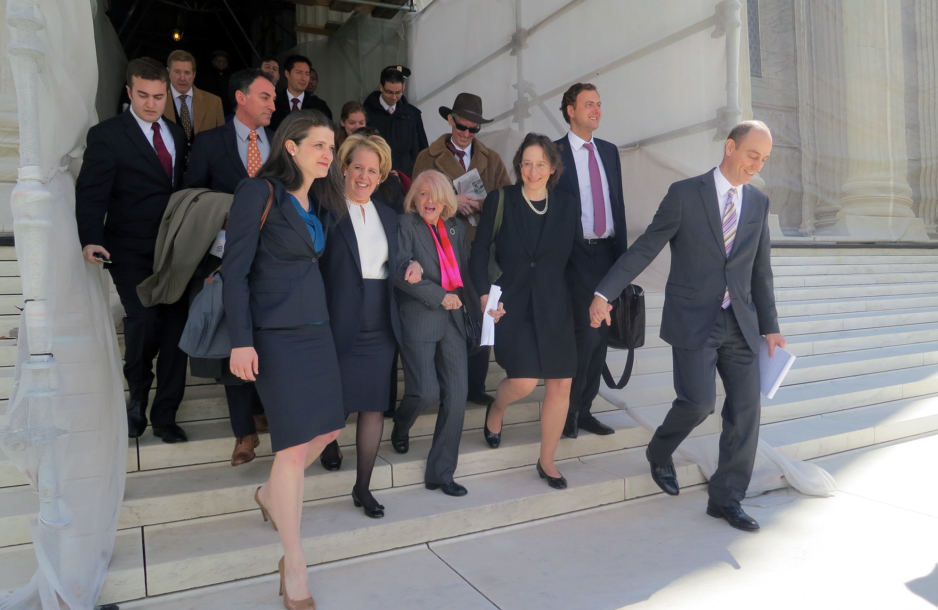
Unlike other Stanford clinics, which concentrate on one substantive area of the law, the Supreme Court clinic focuses on the wide range of legal issues decided by the nation’s highest court. In just the past several years, the clinic has represented criminal defendants challenging their convictions and sentences, and bringing claims under the Fourth, Fifth, and Sixth Amendments; employees bringing wage-and-hour claims and pressing claims of discrimination on the basis of race, sex, age, and disability; and other civil plaintiffs alleging invoking consumer protection and environmental statutes; seeking redress for violations of their right to free speech; alleging violations of international law, and—last but not least—seeking marriage equality. The clinic also regularly files friend of the court (or “amicus”) briefs on behalf of public interest groups and trade associations. This work offers many opportunities and challenges. And all of it fills a need frequently cited by the Justices and commentators: working with co-counsel, often litigating in the Court for the first time, to supply expertise and resources to ensure the Court receives high-quality and comprehensive briefing. Indeed, the Justices have lauded the clinic for its exceptional advocacy.
The clinic has compiled a record at both the certiorari and merits stages that would be the envy of any appellate practice. Since its inception, the clinic has represented parties as lead counsel in over sixty cases on the merits, winning a substantial majority of those cases. Some of the clinic’s victories are landmark decisions, now taught in law school classrooms at Stanford and elsewhere and that continue to shape litigation across the country. The clinic also has helped to preserve lower court victories for clients by defeating petitions for certiorari filed by the U.S. Solicitor General, state attorneys general, and some of the country’s largest businesses.
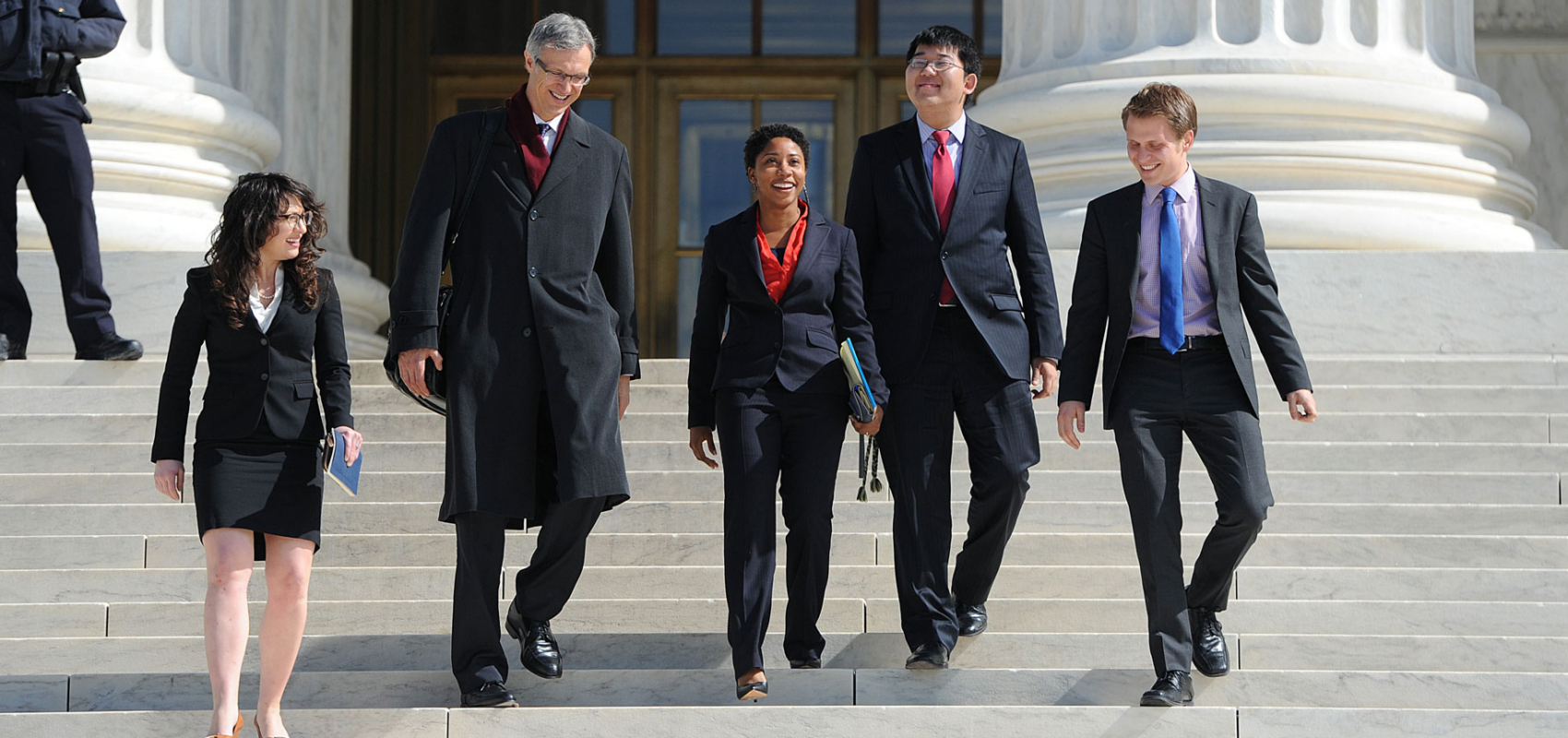
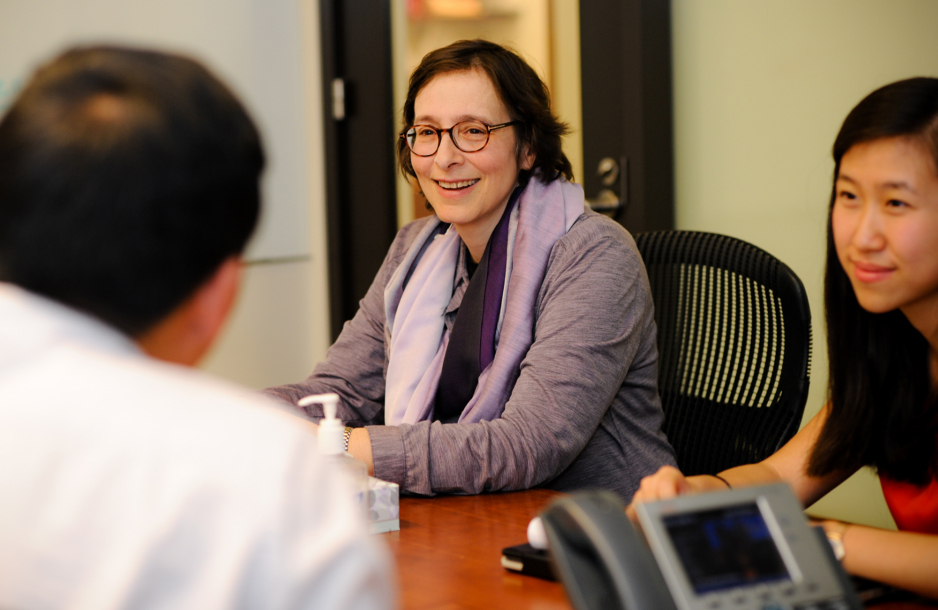
Students work on briefs and other filings, participate in moots for oral arguments, meet with High Court personnel and journalists, and get a real feel for how the Court actually works. The clinic is known as particularly writing-intensive; students typically work in teams to produce at least two briefs over the quarter. Clinic alumni have gone on to judicial clerkships, public-interest fellowships, positions in the Department of Justice, and jobs at private law firms.
People
In the News
How the Supreme Court Secretly Made Itself Even More Secretive
Voters Urge Fourth Cir. to Nix South Carolina Absentee Age Limit
South Carolina voters challenge absentee ballot law in Fourth Circuit
The Supreme Court, Once Wary of Partisan Gerrymandering, Goes All In
Frustrated by missing mail, one American took the Postal Service to court
Yale Law School Association Honors Pamela S. Karlan and Heather K. Gerken with Award of Merit
Stanford’s Supreme Court Litigation Clinic celebrates two decades
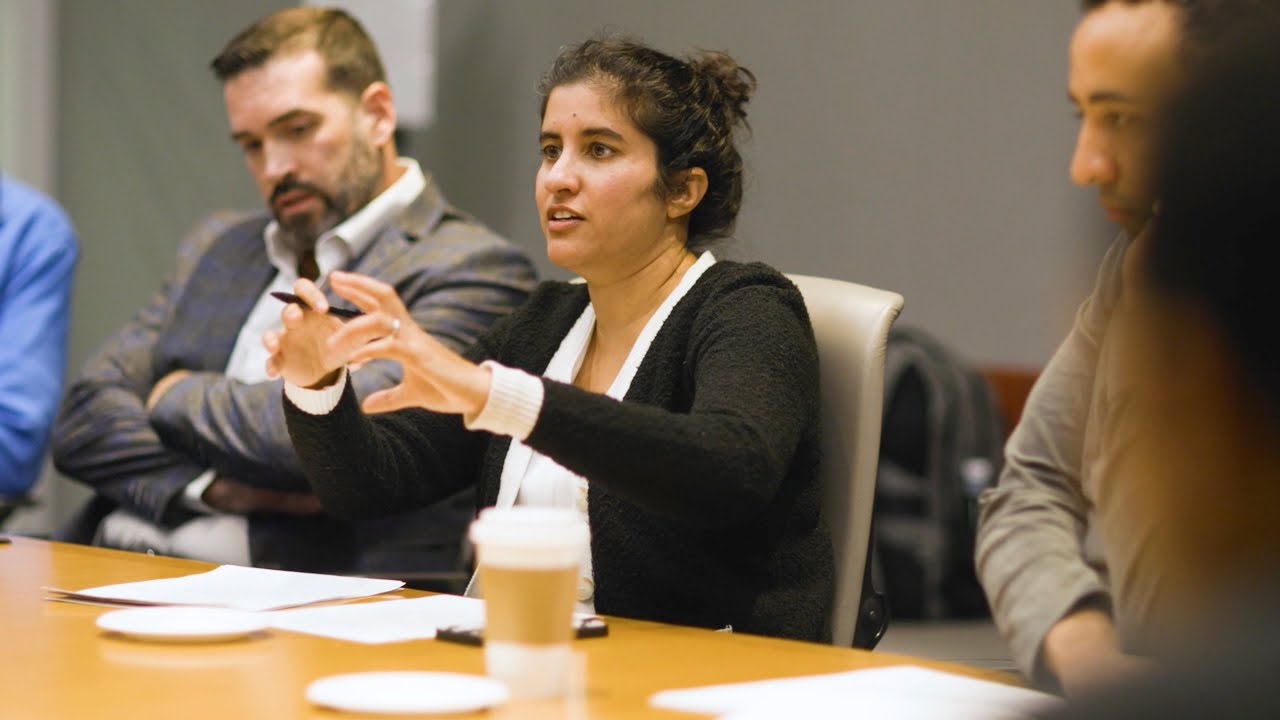
Stanford Law School's Supreme Court Litigation Clinic—the first of its kind—gives students intensive exposure to a realm few lawyers experience in their careers. Take a look inside the program as it celebrates its 20th year.